

Understanding the Hillsborough Disaster and Its Legacy
Introduction
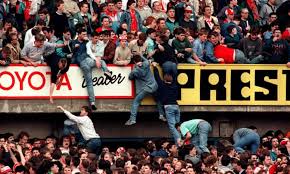
The Hillsborough Disaster, which occurred on 15 April 1989, remains one of the most tragic events in the history of British football. On that fateful day, 96 Liverpool FC fans lost their lives during an FA Cup semi-final against Nottingham Forest. This incident not only highlighted significant shortcomings in crowd control and stadium safety but also ignited a long fight for justice from the bereaved families, emphasizing the need for accountability in sporting events.
What Happened on That Day?
The disaster unfolded at Hillsborough Stadium in Sheffield, where overcrowding in the standing areas led to a catastrophic crush. Despite efforts to manage the crowd, the gates were opened to relieve congestion, leading to thousands of fans surging into an already packed enclosure. Emergency services faced difficulties in responding due to the chaotic situation, further exacerbating the tragedy. In the immediate aftermath, blame was unjustly placed on the fans, leading to public outrage.
The Fight for Justice
In the years following the disaster, the families of the victims campaigned tirelessly for justice, challenging the initial verdict that portrayed fans as partially to blame. The Hillsborough Independent Panel, established in 2012, revealed that critical evidence had been concealed and that there had been failures in the emergency response. As a result, in 2016, a new inquest concluded that the fans were unlawfully killed, leading to renewed calls for accountability among those responsible for safety at the venue.
Impacts on Football and Safety Regulations
The Hillsborough Disaster prompted significant changes in football safety regulations in the UK. The Taylor Report, launched shortly after the tragedy, recommended the all-seater stadium model, which has since become standard in British football. These reforms brought about enhanced safety measures, ensuring that tragedies like Hillsborough could be prevented in the future.
Conclusion
The Hillsborough Disaster remains a poignant reminder of the need for safety in sports venues and the importance of accountability and transparency in all levels of governance. The ongoing commemoration of the 96 victims and the perseverance of their families serve as an inspiration, fostering a culture of vigilance and respect in the sporting community. As fans, clubs, and governing bodies look towards the future, the lessons learned from Hillsborough must never be forgotten, ensuring that such a tragedy is never repeated.