

Understanding the Shipwreck: Heritage, Science and Safety
Introduction: Why a shipwreck matters
Shipwrecks capture public imagination and carry practical importance. They can be time capsules of trade, technology and human story, while also presenting environmental, navigational and legal challenges. For coastal communities, researchers and authorities, shipwrecks are relevant both as cultural heritage and as management priorities that touch on archaeology, ecology and safety.
Main body: Discovery, investigation and impact
Discovery and survey
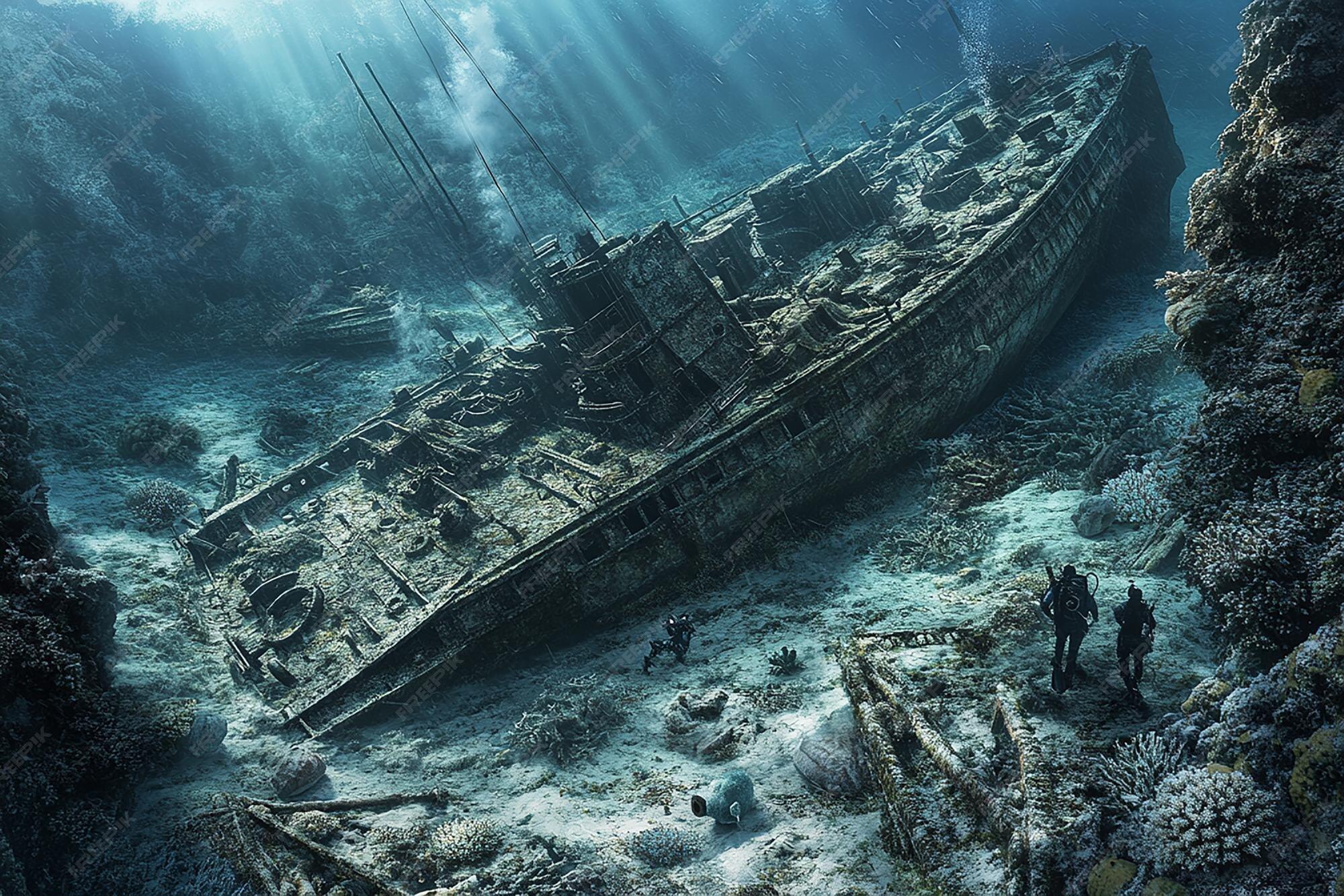
Shipwrecks are identified by a variety of methods, from reports by mariners and fishermen to systematic surveys using acoustic sonar, magnetometers and underwater cameras. Once located, teams use remotely operated vehicles, manned dives or photogrammetry to document a site. Documentation records the wreck’s position, condition and the distribution of objects and materials on the seabed.
Archaeology and scientific study
Underwater archaeological work aims to understand a wreck in its historical context. Specialists examine construction features, cargo remains and personal items to reconstruct voyages, trade routes and shipbuilding techniques. Non-invasive recording is often preferred to preserve the site, with selective excavation used when necessary to recover artefacts at risk of loss.
Environmental and safety considerations
Wrecks can influence marine ecosystems, becoming artificial reefs that host diverse species. At the same time, they may pose environmental hazards if fuel, chemicals or unstable structures remain on site. From a safety standpoint, wrecks in navigable waters can be hazards requiring marking or removal to protect shipping and recreational users.
Legal and community aspects
Shipwrecks often fall under complex legal frameworks that balance heritage protection, salvage rights and public interest. Local communities, governments and specialists typically negotiate access, conservation and display of recovered artefacts, seeking to respect both cultural values and scientific best practice.
Conclusion: Significance and outlook
Shipwrecks remain important for understanding maritime history and for managing coastal resources. Ongoing advances in survey technology and underwater recording are improving knowledge while encouraging careful stewardship. For readers, awareness of shipwreck issues highlights the need for responsible exploration, heritage protection and measures that reconcile historical value with environmental and public safety concerns.