

When Does April Fools End? Tradition, Origins and the Noon Rule
Introduction: Why the question matters
When does april fools end is a common query every spring, because the answer shapes how people plan jokes and where social standards draw the line between harmless fun and poor taste. Understanding the timing — and why many sources point to midday — helps readers, organisers and media outlets know when pranks are culturally acceptable and when they risk making the prankster appear the fool.
Main body: Historical background and contemporary practice
The noon rule and UK tradition
Many traditions derived from the UK generally restrict April Fools’ Day activities to the morning. A 1959 study by folklorists Iona and Peter Opie found that in Britain, pranks are commonly relegated to the morning hours, with a widely held notion that jokes must be finished by 12 noon. Under that rule, anyone attempting a prank after midday is often considered the ‘April Fool’ rather than the victim.
Theories of origin
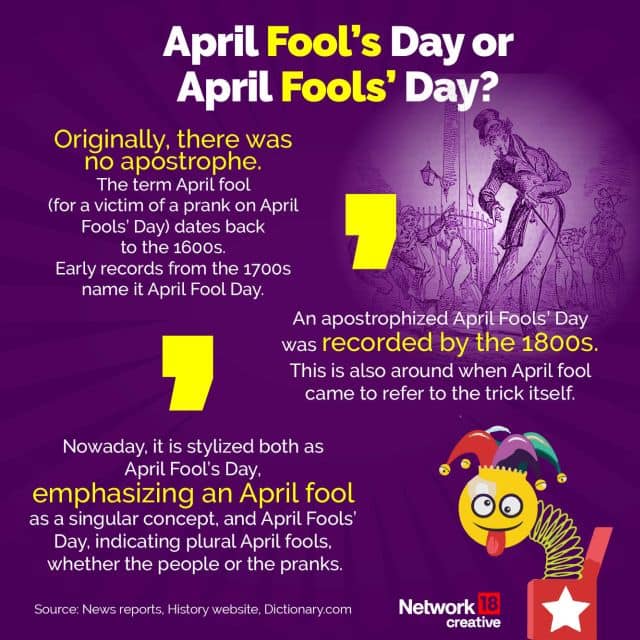
Several explanations are offered for the practise. One theory links April Fool’s Day to the end of winter and the coming of spring, suggesting a seasonal impulse to mischief and reversal of norms. Another traces the custom to 16th-century France, where the New Year was once celebrated on 1 April; when the calendar changed, some who continued the old date were mocked as fools. British folklore also connects the day to the town of Gotham in Nottinghamshire and a 13th-century event said to commemorate local trickery. The idea of April Fools’ Day spread rapidly across Britain during the 18th century.
Modern echoes and famous pranks
Modern media and social commentary continue to debate the noon cut-off. Coverage and social platforms highlight both defenders and critics of the rule — some insist pranks should stop at midday, while others shrug. Popular culture remembers famous hoaxes such as the BBC’s 1957 ‘Panorama’ segment that supposedly showed Swiss farmers harvesting spaghetti from trees, a prank that remains a memorable example of April Foolery.
Conclusion: What it means for readers
In short, when does april fools end is largely a matter of cultural convention. In the UK and places influenced by its customs, the accepted cutoff is 12pm, rooted in folkloric study and historical theories. For readers planning pranks or responding to them, the safest approach is to observe local customs and be mindful that after noon the social balance of who is a fool can reverse. As media and social platforms evolve, so too may expectations about timing and taste, but the midday tradition remains the prevailing guideline in British-derived practice.