

Grand National 2026: What to Expect at Aintree
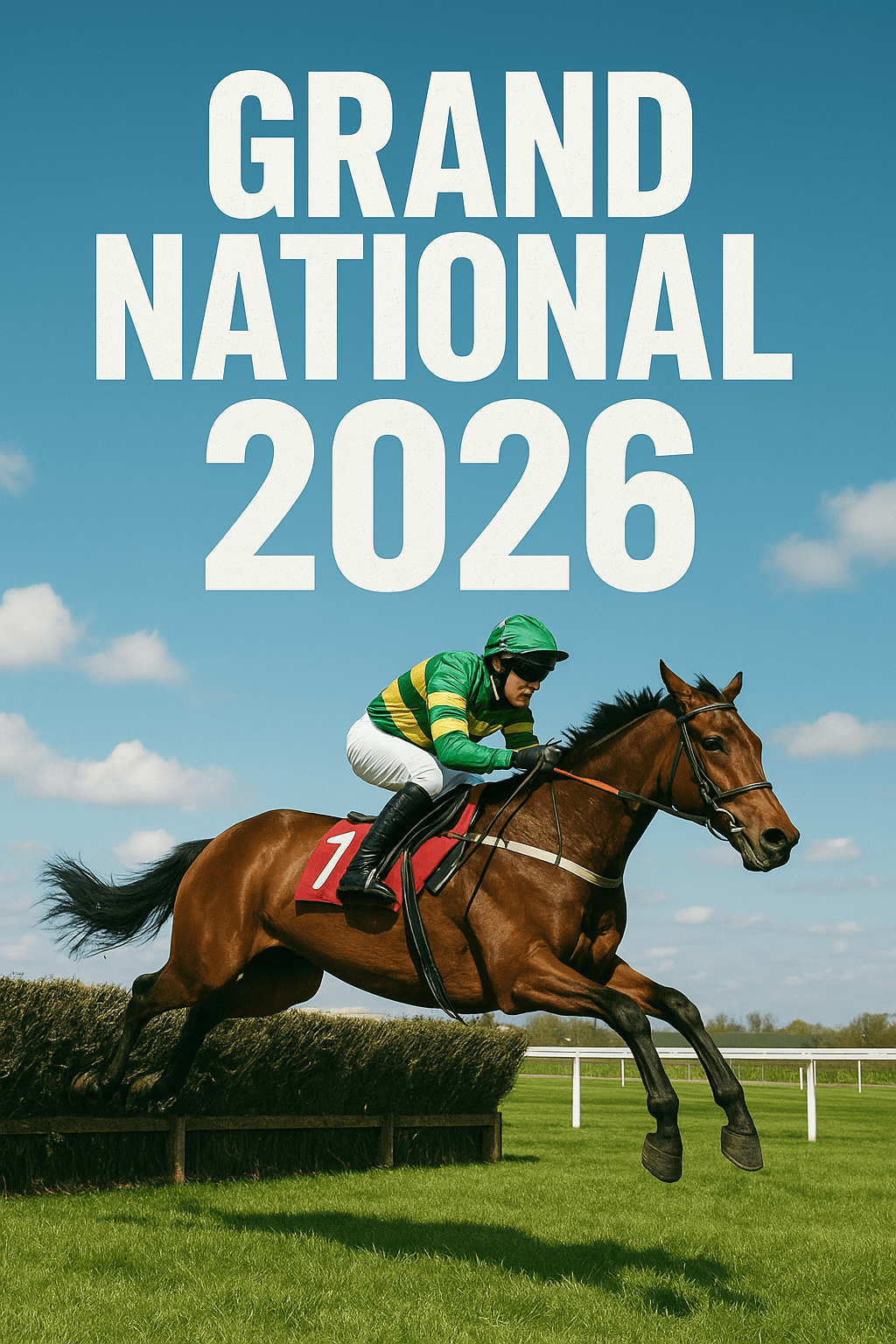
Introduction: Why Grand National 2026 Matters
The Grand National is one of British sport’s flagship events and in 2026 it returns to Aintree as part of a three-day festival from 9–11 April. The meeting is of wide interest to racegoers, broadcasters and punters alike: it features 21 races across the weekend and concludes with the Randox Grand National, a £1 million contest that attracts national attention and large viewing figures.
Main details and schedule
Dates, schedule and coverage
The Jockey Club has confirmed the festival will run from 9 to 11 April 2026 and will include 21 races. Broad coverage is planned: the entire three-day festival will be shown on ITVX and Racing TV, while Saturday’s Grand National will be broadcast on ITV1. Fans can also follow live text coverage via ESPN’s Grand National live blog on the day.
Key race times and feature races (Saturday)
Saturday’s timings include a sequence of top-level races before the feature. The Boodles Anniversary 4-y-o Juvenile Hurdle is scheduled for 1.45pm, followed by the William Hill Manifesto Novices’ Steeple Chase at 2.20pm and the Aintree Bowl Steeple Chase (a GBB Race) at 2.55pm. The William Hill Aintree Hurdle (Class 1, Grade 1, 2m 4f) is set for 4.05pm. The Randox Grand National, run over approximately 4m 2½f, is due to start at 4.00pm BST on Saturday. Later fixtures on the card include the Goffs Nickel Coin Mares’ Standard Open NH Flat Race at 5.15pm and the Weatherbys NHStallion.co.uk Standard Open NH Flat Race at 5.35pm.
Entries and trends
A total of 78 horses have been entered for the 2026 Randox Grand National. That number is down from 90 entries last year and considerably lower than the fields that exceeded 100 earlier in the decade, indicating a continuing trend toward smaller entry lists for the race.
Conclusion: Significance and outlook
Grand National 2026 promises a full weekend of top-class National Hunt racing with comprehensive broadcast coverage and a substantial prize for the Randox Grand National. The reduced entry numbers are a notable development that could influence race planning and betting markets; nevertheless, the event remains a major spectacle on the British racing calendar and is set to draw significant interest both at Aintree and from viewers across the UK.