

Elizabeth Smart: From Abduction to Advocacy
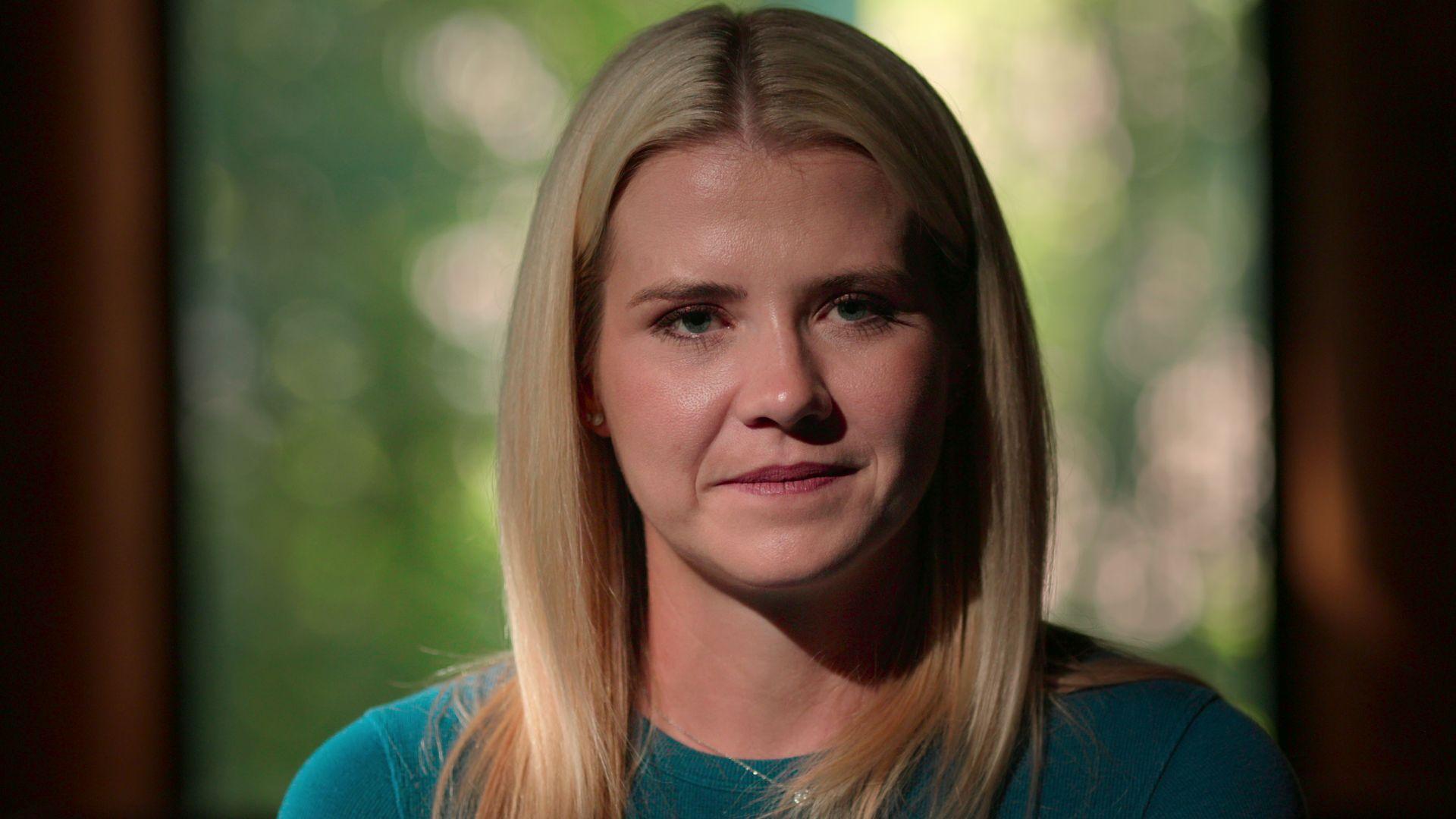
Introduction — why Elizabeth Smart’s story matters
The abduction and recovery of Elizabeth Smart remains one of the most widely followed child‑safety cases in recent US history. Her experience highlights issues of child protection, criminal justice and survivor advocacy. As a public figure, commentator and founder of the Elizabeth Smart Foundation, her ongoing work and the renewed attention from a new Netflix documentary make her story relevant to parents, educators and policymakers.
Main body — events, facts and public work
Background and abduction
Elizabeth Ann Smart was born on 3 November 1987 in Salt Lake City, Utah, to Edward and Lois Smart. At age 14 she was abducted from her home in June 2002 by Brian David Mitchell and taken into the surrounding wilderness. According to accounts, Mitchell marched her for hours through forest to a camp where his accomplice, Wanda Barzee, was waiting. The case drew nationwide media attention and a lengthy investigation.
Legal aftermath and public statements
Wanda Barzee later pled guilty to assisting in the kidnapping as part of a plea bargain on 16 November 2009. Over the years Smart has spoken publicly about her experience, including statements of forgiveness and reflections on faith and recovery. Her testimony and public appearances have kept the case in public view and contributed to broader conversations about victim support.
Advocacy, media and published work
Smart became a child safety activist and a commentator for ABC News. She founded the Elizabeth Smart Foundation and is a New York Times bestselling author of ‘My Story’. Her narrative has been retold in multiple formats: she narrated Lifetime’s 2017 film I Am Elizabeth Smart, and her story reaches new audiences again in the Netflix documentary Kidnapped: Elizabeth Smart, which began streaming on 21 January 2026.
Policy engagement
Smart has actively supported measures aimed at prevention and education, including backing legislation on child sexual‑abuse prevention training in schools. Her engagement with lawmakers and communities underscores a shift from personal survival to public advocacy.
Conclusion — significance and outlook
Elizabeth Smart’s transition from victim to advocate continues to influence public debate on child safety and prevention. Renewed media attention via the Netflix documentary will likely prompt discussion among parents, educators and legislators about practical safeguards and training. For readers, her story offers both a reminder of the risks children can face and a model of resilience and civic engagement after trauma.