

Holocaust Memorial Day 2026: Remembering, Learning, Acting
Introduction: Why Holocaust Memorial Day matters
Holocaust Memorial Day 2026, observed on 27 January, is a moment for reflection and remembrance across the United Kingdom and internationally. The date marks the anniversary of the liberation of Auschwitz‑Birkenau in 1945 and, in 2026, will be the 81st anniversary of that liberation. The day highlights the importance of remembering the six million Jewish victims of the Holocaust, as well as the millions murdered in subsequent genocides in Cambodia, Rwanda, Bosnia and Darfur. Commemoration is relevant not only to preserve memory but to inform action against hatred, discrimination and genocide today.
Main body: Events, facts and how communities will mark 2026
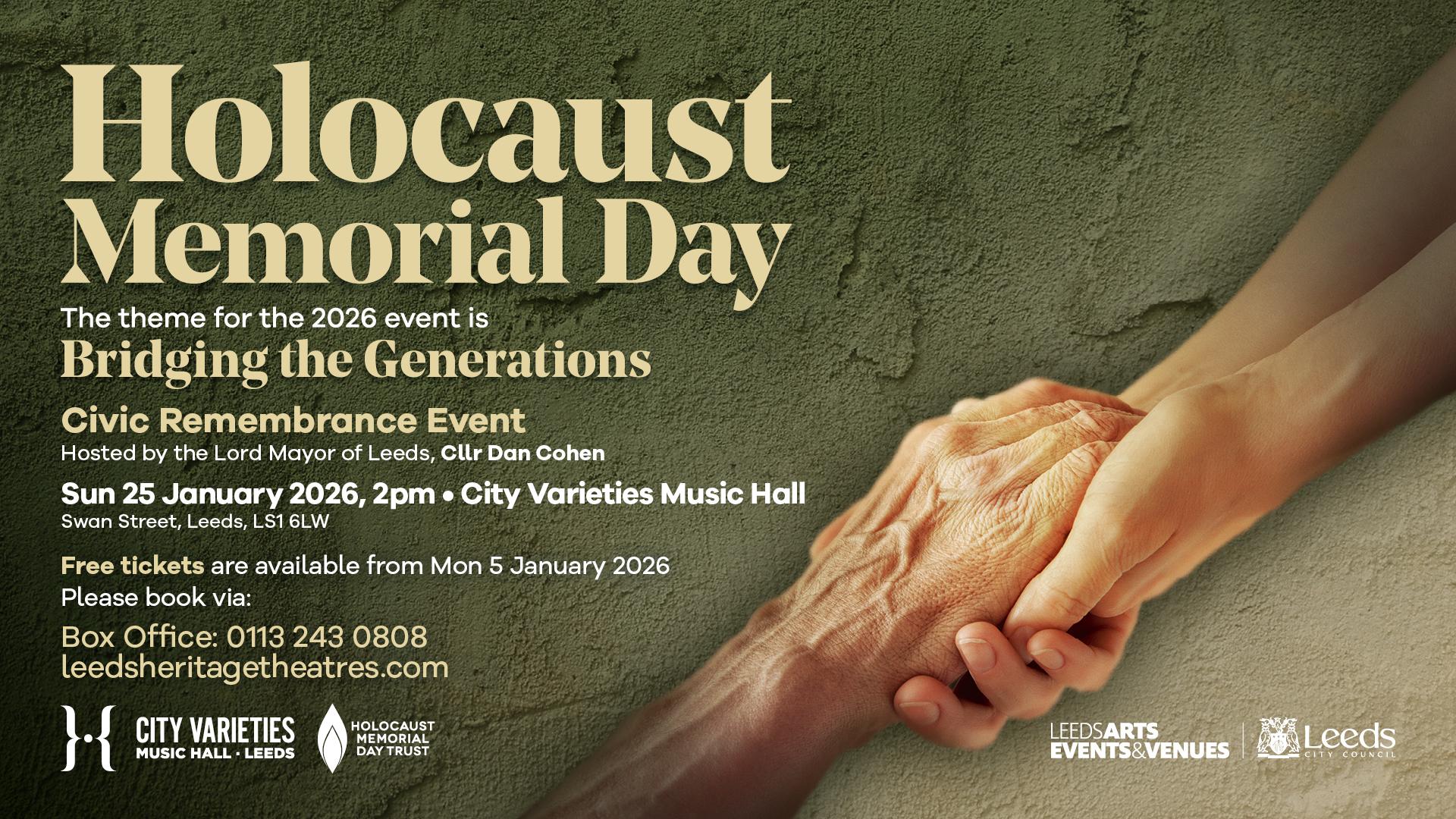
Holocaust Memorial Day is coordinated in the UK by the Holocaust Memorial Day Trust (HMDT), which supports local and national commemorations, provides educational resources and encourages participation. Ceremonies typically include moments of silence, readings, testimony from survivors or their families, musical tributes and exhibitions. Schools, museums, councils, faith groups and charities run programmes and workshops aimed at educating younger generations as the number of living survivors continues to decline.
In 2026, communities can expect a mixture of in‑person and online events reflecting contemporary ways of commemorating. Local authorities often host civic services and vigils; cultural institutions present exhibitions and talks; and educational settings run age‑appropriate learning activities. HMDT and partner organisations commonly publish guidance and resources in the weeks preceding 27 January to help groups plan respectful events and classroom activities.
Conclusion: Significance and looking ahead
Holocaust Memorial Day 2026 will serve as both a remembrance and a call to learning. For readers, the day offers practical ways to engage: attend or host a local event, use educational materials to teach young people, observe a moment of reflection, or support organisations working on genocide prevention and Holocaust education. Looking ahead, commemorations are likely to place greater emphasis on digital access to testimony and resources, while continuing to stress the civic duty to challenge antisemitism, racism and intolerance. Remembering the past remains central to preventing future atrocities and fostering a more informed, compassionate society.