

Understanding Immigration English Requirements
Introduction
As globalisation continues to shape societies, the ability to communicate effectively in English has become crucial for immigrants. Immigration English requirements are established by various countries to ensure that incoming individuals can integrate into their new communities and contribute to the economy. These requirements have gained significant importance in the context of immigration policies, especially post-pandemic.
Overview of Immigration English Requirements
Many countries, including the UK, Australia, Canada, and the USA, have set specific English proficiency standards that applicants must meet for various immigration programmes. For instance, the UK Home Office requires applicants for skilled visas to demonstrate a minimum level of English proficiency through recognised tests such as IELTS, TOEFL, or Cambridge exams. These tests assess listening, reading, writing, and speaking skills, ensuring that immigrants possess adequate communication capabilities.
Recent Updates and Changes
In light of the ongoing global challenges, various governments have reviewed their immigration policies. The UK government, for instance, has reaffirmed its commitment to maintaining high English language standards despite the evolving landscape. In 2023, the UK introduced a new online assessment tool aimed at easing the testing process for applicants, providing them with an initial evaluation before undertaking formal tests.
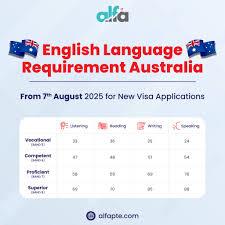
Similarly, Australia has adapted its requirements, allowing certain candidates from predominantly English-speaking countries to bypass mandatory English tests. This flexibility is intended to streamline immigration processes and encourage skilled professionals to settle in the country.
Importance of English Proficiency for Immigrants
English language skills play a vital role in the assimilation of immigrants into their new environments. Proficiency in English enhances the ability to find employment, access essential services, and engage effectively in social interactions. Immigrants equipped with language skills are better positioned to participate in community life, thus supporting both personal and economic growth.
Conclusion
The immigration English requirements are likely to remain a fundamental aspect of immigration processes worldwide. As countries continue to refine their immigration policies, prospective immigrants should stay informed about the evolving requirements. Proficiency in English is not just a necessity for immigration; it is a key driver of successful integration and societal participation for immigrants navigating new beginnings in foreign countries.