

UK Tackles Pothole Crisis with Record Investment and New Council Rating System
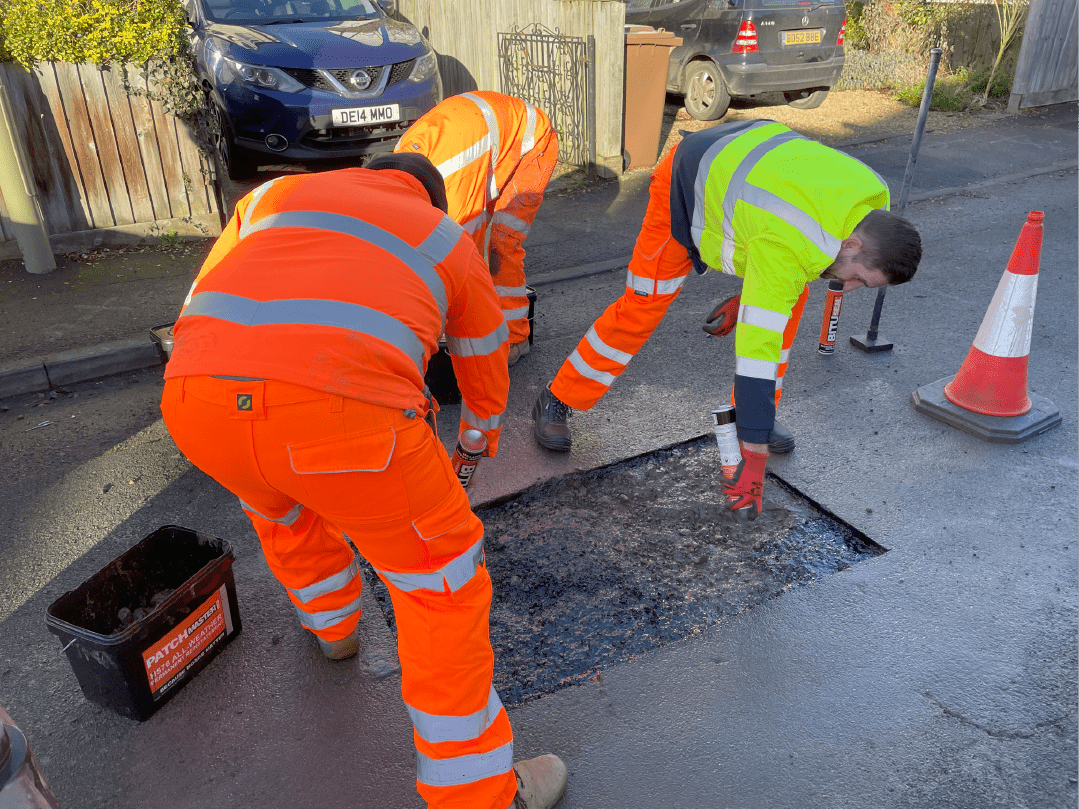
Government Launches Traffic-Light Rating System for Pothole Repairs
Drivers across England can now see how well their local highway authority (LHA) is tackling the pothole plague thanks to a new traffic light rating system published by the government on 11 January 2026. The new ratings grade 154 local highway authorities as red, amber or green based on current road condition and how effectively they are spending the government’s record £7.3 billion funding to fix potholes and invest in long term measures to maintain roads.
The introduction of this unprecedented accountability system comes as pothole repairs remain one of the UK’s most pressing transport challenges. The RAC estimates a typical repair bill for a family car suffering pothole damage beyond a puncture is £590, placing significant financial strain on motorists across the nation.
Record-Breaking Investment in Road Maintenance
The landmark investment of £1.6 billion – an increase of nearly 50% on local road maintenance funding from last year – is enough to fix the equivalent of over 7 million extra potholes in 2025 to 2026. This substantial commitment demonstrates the government’s determination to address decades of deteriorating road infrastructure.
Those that scored ‘green’, like Leeds, Sandwell and Manchester, were able to demonstrate they are following best practice, such as investing in more long-term preventative measures rather than just patching up potholes. Meanwhile, red authorities will receive dedicated support to bring them into line with best practices through a £300,000 programme.
The Scale of the UK’s Pothole Problem
The magnitude of Britain’s pothole crisis cannot be understated. The UK is thought to have more than one million potholes, with these road defects being one of the leading causes of car breakdowns. On average, there are around six potholes per mile on council-controlled roads in England and Wales.
However, there are encouraging signs of progress. While six-in-10 UK drivers say the local roads they drive on are in a worse state this year than last, this is down sharply on the 73% who said the same in 2024, and the proportion of drivers that say these roads are in a better condition has reached 12% this year – double last year’s 6%.
Innovative Technologies Transform Pothole Repairs
Beyond increased funding, technological innovation is revolutionising how potholes are detected and repaired. The ARRES PREVENT robot identifies and characterises cracks and potholes in the road using Artificial Intelligence imaging technology, and automatically fills the cracks to keep out surface water, which in turn helps to prevent potholes from forming.
The government will extend the Live Labs 2 programme for another year, providing up to £300,000 to help councils access and adopt more innovative approaches to maintenance, including uptake of longer-lasting, low-carbon materials for repairing roads faster, more efficiently and far less often.
Looking Ahead: Significance for UK Drivers
The combination of record funding, enhanced accountability, and cutting-edge repair technologies signals a turning point in Britain’s battle against potholes. The top transport demand for 96% of AA members is fixing potholes with increased investment in repairing and upgrading roads, underscoring the public’s priorities.
For British motorists and road users, these developments promise safer journeys, reduced vehicle damage costs, and improved road conditions. The new rating system empowers communities to hold their local authorities accountable, whilst the substantial multi-year funding provides councils with the financial certainty needed to implement long-term preventative maintenance strategies rather than temporary fixes. As the UK enters 2026, there is cautious optimism that decades of road deterioration may finally be reversed.