

Bangladesh–India border: Trade, security and regional ties
Introduction: Why the Bangladesh–India border matters
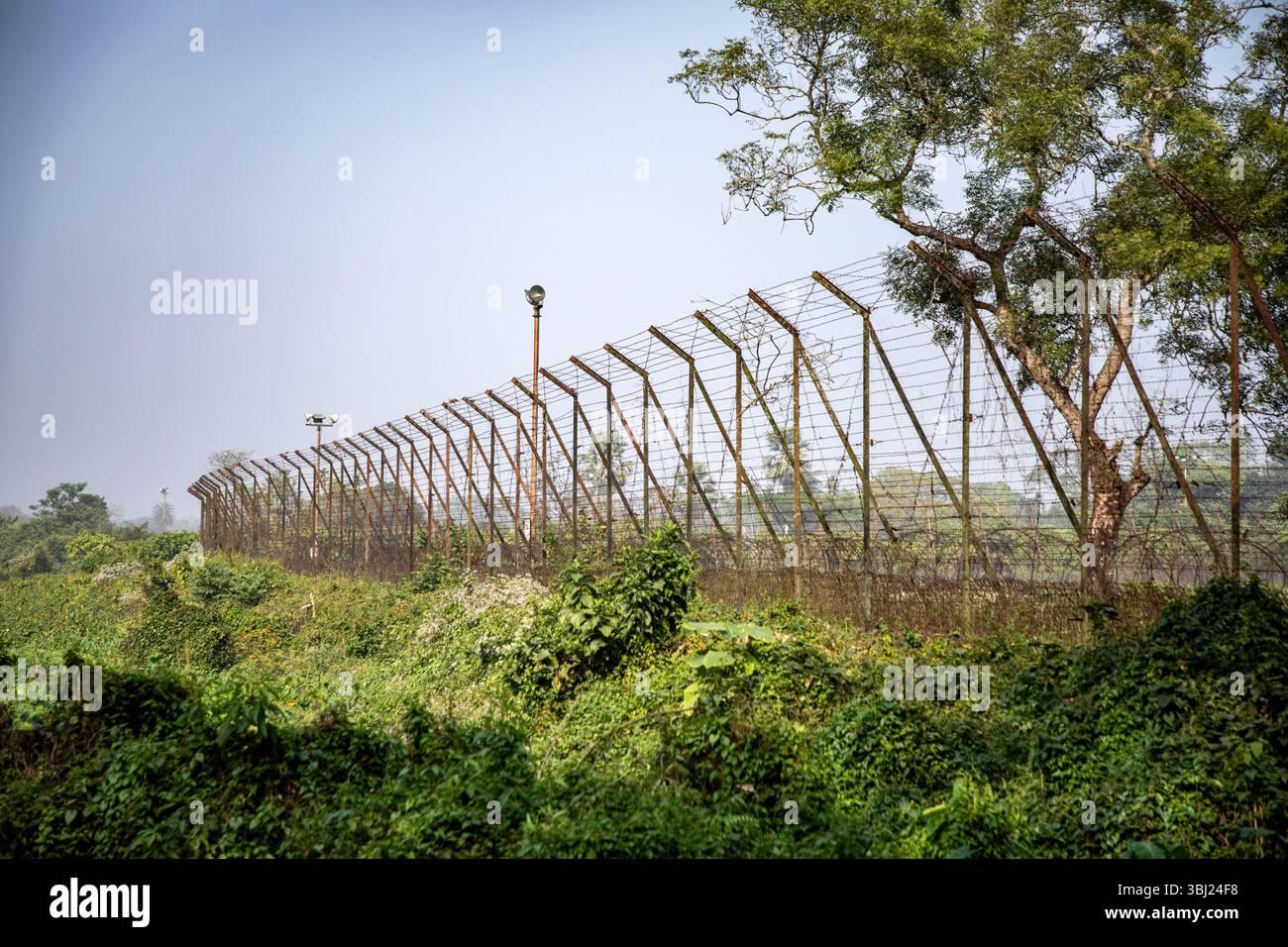
The Bangladesh–India border, stretching approximately 4,096 kilometres, is one of South Asia’s most consequential international frontiers. It is vital for bilateral trade, regional connectivity and security, and it intersects sensitive ecological zones such as the Sundarbans. Developments along this border affect millions of people on both sides and influence wider geopolitical and economic relations in the region.
Main body: Key facts, recent developments and challenges
Historical and administrative context
The two countries formalised many long-standing territorial issues through the 2015 Land Boundary Agreement, a landmark deal that settled decades-old enclave disputes and simplified border administration. Since then, authorities on both sides have focused on improving crossings and legal frameworks for movement and trade.
Trade and connectivity
Major land ports such as Benapole–Petrapole handle a significant share of bilateral overland trade, making the border a commercial lifeline. In recent years, governments have pursued better road and rail links and streamlined customs procedures to boost commerce, reduce transport times and support local economies on either side of the frontier.
Security, migration and smuggling
The border faces persistent security challenges: irregular migration, smuggling of goods and livestock, and occasional violent incidents have required ongoing management by border forces. Both nations periodically coordinate patrols and intelligence-sharing to address cross-border crime while balancing human rights and humanitarian concerns.
Environmental and social dimensions
Sections of the border run through ecologically sensitive areas, notably the Sundarbans mangrove ecosystem, complicating surveillance and conservation efforts. Communities living along the frontier depend on cross-border markets and familial ties, so policy changes can have immediate social and economic impacts.
Conclusion: Implications and outlook
The Bangladesh–India border will remain central to bilateral relations. Continued investment in infrastructure and streamlined trade procedures can strengthen economic ties, while improved coordination on security and environmental protection will be needed to manage risks. For residents and businesses, better connectivity promises tangible benefits; for policymakers, the challenge is to balance growth, security and sustainability to ensure the border supports stable, mutually beneficial relations in the years ahead.