

China reserves offshore airspace for 40 days amid military concerns
Introduction: Why the 40-day airspace restriction matters
The announcement of china airspace restrictions 40 days has attracted international attention because it affects a wide offshore area and comes amid heightened tensions across the Taiwan Strait. Temporary closures of large swathes of airspace can disrupt commercial and military flight patterns and are closely watched as potential indicators of intensified training or operational preparations.
Main developments and verified details
Scope and timing
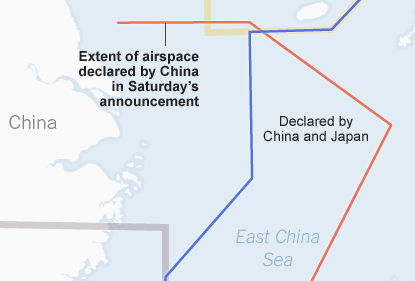
Chinese authorities have reserved five patches of offshore airspace for a 40-day period, running from 27 March to 6 May. The closures cover maritime zones extending from the Yellow Sea to the East China Sea, including areas north and south of Shanghai. Reported coverage is said to exceed the area of Taiwan’s main island.
Operational impact
The measure coincided with a sudden halt in military flights around Taiwan, prompting aviation observers and regional governments to query the purpose of the reservation. No official explanation or public justification has been provided by Chinese authorities for the decision, contributing to an apparent aviation mystery.
Expert views and regional reaction
Christopher Sharman, director of the US Naval War College’s China Maritime Studies Institute, noted that some past Chinese drills have focused on controlling routes the US military might use in a Taiwan contingency. He said the reserved airspace “could provide an opportunity to practice the kinds of air combat manoeuvres that would be required in such a scenario.” Taiwan’s President Lai Ching-te warned that if China annexed Taiwan, it might become “more aggressive” across the Indo-Pacific, undermining regional peace and stability.
Conclusion: Significance and outlook
The 40-day reserve of offshore airspace is notable for its scale and lack of public explanation. For airlines, navies and regional policymakers it raises questions about operational planning and signalling intent. While the closure may reflect training needs, the timing and extent mean it will be monitored as a potential indicator of intensified military activity. Observers should expect continued scrutiny from governments and analysts until official clarification is offered or the reserved period ends on 6 May.