

Horn of Africa Navigates Complex Challenges as Regional and Global Powers Compete for Influence
A Region Under Mounting Pressure
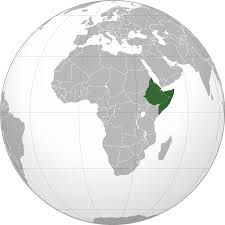
The Horn of Africa has emerged as a critical flashpoint in 2026, with the region facing an unprecedented convergence of humanitarian emergencies, geopolitical competition, and strategic realignments. The global geopolitics of 2026 appears to be making the Horn of Africa States region a testing ground for the growing and adaptive multipolarity. From Israel’s controversial recognition of Somaliland to devastating drought conditions, the region’s struggles are reshaping both local dynamics and international relations.
Humanitarian Crisis Looms Large
The Famine Early Warning Systems Network (FEWS NET) has warned that a record-breaking dry season has left 20 to 25 million people across Somalia, Ethiopia, and Kenya in urgent need of assistance. The rainfall deficit has been severe, with rainfall during the October-to-December (OND) season fell to some of the lowest levels on record. In many areas, totals reached less than 50 percent of the average, with some zones receiving under 30 percent.
FEWS NET warns that the March-to-May (MAM) 2026 rainy season will be critical. Should rainfall fall below average, the region could face extreme malnutrition and hunger-related mortality. The agricultural impact has been devastating, particularly in Somalia where harvests are projected at less than 10 percent of normal levels in some regions.
Strategic Competition Intensifies
The Horn of Africa has become a theatre for competing regional and international interests. When Israel’s foreign minister arrived in Hargeisa on the same day a senior Turkish security delegation landed in Mogadishu, the timing was deliberate. Two middle powers chose two rival capitals on the same day to demonstrate not only where they stand, but which political orders they are prepared to work with as the Horn of Africa enters a new phase of strategic competition.
The African Union condemned the recognition, cautioning over dangerous “implications for peace and stability across the continent”. Meanwhile, Egypt has signed agreements to enhance the ports of Assab in Eritrea and Doraleh in Djibouti, enabling military capabilities that could increase pressure on landlocked Ethiopia amidst the ongoing dispute over the Grand Ethiopian Renaissance Dam and Nile water distribution.
Long-term Implications for Regional Stability
Sea access and ports, shared waters, trade corridors and maritime routes and chokepoints will remain central to the region’s volatility. The situation reflects what analysts describe as “managed volatility,” where multiple crises persist without complete breakdown or resolution. The Horn of Africa is no longer a secondary theater, and the struggle over its future order has moved from quiet maneuvering to visible, simultaneous signaling.
As 2026 unfolds, the region’s ability to navigate these overlapping challenges will have far-reaching consequences not only for its 200 million residents but also for global trade routes, food security, and international stability. The convergence of humanitarian need, climate stress, and geopolitical competition makes the Horn of Africa one of the most critical regions to watch in the coming months.