

The Abraham Accords: A New Era in Middle Eastern Relations
Introduction
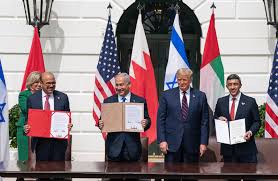
The Abraham Accords, signed in September 2020, represent a historic agreement aimed at normalising relations between Israel and several Arab nations, including the United Arab Emirates (UAE) and Bahrain. This diplomatic breakthrough is significant not only for its immediate implications but also for its potential to reshape the geopolitical landscape of the Middle East. As global focus shifts towards the region, understanding these accords is crucial for comprehending future diplomatic relations and stability.
The Key Players and Agreements
The Abraham Accords were facilitated by the Trump administration, marking a pivotal moment in US foreign policy. Under these accords, the UAE and Bahrain agreed to establish formal diplomatic ties with Israel, becoming the first Gulf nations to do so. In addition to peace, the agreement encompasses various aspects, including economic cooperation, security partnerships, and cultural exchanges. Following these initial agreements, Sudan and Morocco also expressed intentions to normalise ties with Israel, further expanding the impact of the accords.
Impact on Regional Cooperation
The Abraham Accords are seen as a crucial step toward fostering regional stability. By normalising relations, participating countries aim to combat common threats, such as terrorism and regional instability often linked to extremist groups. Furthermore, the accords are expected to enhance economic collaboration, particularly in areas like trade, technology, and tourism, potentially leading to greater prosperity and security within the region.
Challenges Ahead
Despite the promising developments, the Abraham Accords face several challenges. The Palestinian situation remains a significant point of contention. Critics argue that the agreements may undermine Palestinian statehood aspirations, potentially exacerbating tensions in the region. Moreover, the shifting political landscape within the US and varying support among Arab states may influence the long-term viability of the agreements.
Conclusion
The Abraham Accords represent a defining moment in Middle Eastern history, with the potential to reshape relationships and foster cooperation in the region. As countries increasingly seek to find common ground amidst longstanding conflicts, the significance of these accords cannot be overstated. Moving forward, the focus will be on how these agreements evolve and their ultimate impact on peace in the Middle East. Observers remain cautiously optimistic, noting that while challenges persist, the desire for stability and collaboration appears stronger than ever.