

Understanding Labor Rights: Protections and Sustainability
Introduction: Why labor rights matter
Labor rights shape daily life for millions of workers and influence business practices, supply chains and social policy. Clear protections — from fair pay and safe working conditions to the right to organise — are central to economic equity and social sustainability. Recent sustainability initiatives have reinforced that protecting workers, preventing human trafficking and eliminating illegal child labour are integral to responsibly sourced goods and services.
Main developments and protections
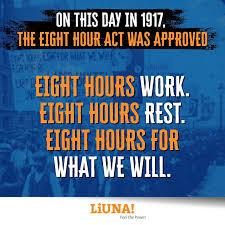
International and national frameworks cover a wide range of labour protections. Core rights include collective bargaining, protection from discrimination, equitable pay, reasonable hours, safety and health standards, access to rest and leisure, and time off. The right to basic workplace facilities, such as access to toilets and breaks, is increasingly recognised as part of dignified working conditions.
In the United States context, employees covered by the National Labor Relations Act have the right to join together to improve wages and working conditions, with or without a union. Workers may discuss forming a union with co‑workers and act together to improve conditions. The AFL‑CIO notes that organising is a fundamental right under U.S. labour law, while also warning that some employers may violate labour laws when workers organise.
Additional statutory protections cited by labour organisations include rights under the Fair Labor Standards Act, the Occupational Safety and Health Act, the Family and Medical Leave Act, the Americans with Disabilities Act and various civil rights statutes. These laws cover areas such as minimum wage and overtime, workplace safety, family and medical leave, disability accommodations and protection against discrimination.
Social sustainability and supply chains
Emerging sustainability efforts emphasise the social dimension of sustainability: promoting workers’ rights and safe working conditions across supply chains; preventing human trafficking; and eliminating illegal child labour from sustainably sourced products and services. Companies and policymakers are increasingly expected to monitor sourcing practices and to address exploitation that undermines rest, leisure and basic rights at work.
Conclusion: What this means for readers
Understanding labour rights helps workers, employers and consumers recognise where improvements are needed and where legal protections apply. As social sustainability gains prominence, scrutiny of labour practices in supply chains is likely to increase. For workers, awareness of legal rights and collective organising options remains crucial; for employers and buyers, ensuring compliance and ethical sourcing is becoming a business and reputational imperative.