

International Court of Justice Navigates High-Profile Cases Amid Growing Geopolitical Tensions
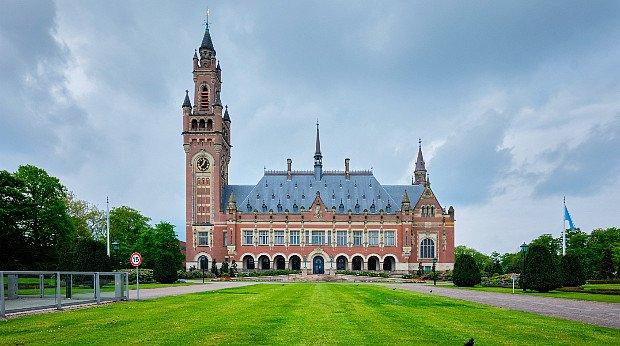
The World Court at a Critical Juncture
The International Court of Justice (ICJ), based in The Hague and serving as the United Nations’ principal judicial organ, finds itself at the centre of international attention in 2025. The ICJ is the UN’s top international judicial body, making rulings involving disputes between countries that affect perceptions and legal definitions worldwide. Recent developments highlight the Court’s expanding caseload and the complex geopolitical challenges it faces whilst upholding international law.
Belgium Joins Gaza Genocide Case
In a significant development, Belgium filed a declaration of intervention in the case launched by South Africa at the ICJ alleging Israel is committing genocide in the Gaza Strip. Other countries, including Brazil, Colombia, Ireland, Mexico, Spain and Turkiye, have already joined the proceedings. South Africa brought the case in December 2023, arguing that Israel’s war in Gaza violates the 1948 UN Convention on the Prevention and Punishment of the Crime of Genocide. The case remains one of the most contentious before the Court, with profound implications for international humanitarian law.
Landmark Climate Opinion and Advisory Rulings
Beyond the Gaza case, the ICJ issued a landmark advisory opinion on climate change in July 2025. The advisory opinion from the world’s top court determined that all states have obligations to protect the climate system from significant harm. Additionally, the Court issued an opinion on 22 October regarding Israel’s obligations in relation to the occupied Palestinian territory, in response to a General Assembly request. These advisory opinions, whilst non-binding, carry significant normative weight in shaping international legal standards.
US Sanctions Create International Tensions
The ICJ’s work has been complicated by United States sanctions targeting International Criminal Court (ICC) personnel—though separate institutions, both face scrutiny over their jurisdiction. The United States issued sanctions against ICC staff members, including judges Gocha Lordkipanidze of Georgia and Erdenebalsuren Damdin of Mongolia. These developments underscore tensions between national sovereignty claims and international judicial independence.
Significance for International Justice
The ICJ’s expanding caseload reflects both the trust governments place in international legal mechanisms and the challenges facing multilateral cooperation. The ICJ President addressed the UN General Assembly on the topic of domestic application of international law and the role of domestic institutions in enforcing Court decisions. As the Court prepares for upcoming hearings, including the Gambia v. Myanmar genocide case in January 2026, its role in maintaining the international legal order remains indispensable yet increasingly contested in today’s polarised geopolitical environment.