

What the curfew means for public safety and civil liberties
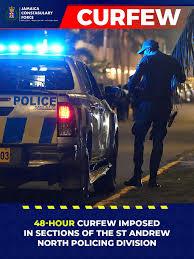
Introduction: Why the curfew matters
The curfew is a measure used by governments and local authorities to limit movement during nights or specific hours. It is often introduced in response to threats to public safety, such as unrest, natural disasters, or public health emergencies. The topic matters because curfews directly affect daily life, commerce and fundamental freedoms, and their use prompts debate about the balance between security and civil liberties.
Main body: How the curfew works and the debate
Typical uses
The curfew is normally time-bound and geographically limited. Authorities may announce that people must remain at home between specified hours, with exceptions for essential workers, emergencies and certain specified activities. Curfews are intended to reduce the risk of harm, deter disorder and support emergency operations by restricting non-essential movement.
Enforcement and exemptions
Enforcement usually involves police or authorised officers who may issue warnings, fines or other penalties for breaches, depending on local law. Exemptions commonly cover emergency services, healthcare workers, critical infrastructure staff and individuals seeking urgent medical care. Clear communication about who is exempt and how to obtain permission is essential to avoid unnecessary disruption.
Public debate and impacts
Supporters argue the curfew can restore order quickly, protect vulnerable communities and give emergency services space to operate. Critics counter that blanket restrictions can disproportionately affect young people, low-income residents and minority communities, and that long or poorly targeted curfews risk infringing on civil liberties. Economic impacts may include reduced evening trade for hospitality and retail sectors. The effectiveness of a curfew often depends on proportionality, legal basis and the presence of complementary measures such as targeted policing and public information campaigns.
Conclusion: Implications and outlook
The curfew remains a widely available tool in the public-policy toolkit, but its use is most defensible when narrowly tailored, time-limited and transparent. For readers, the significance is practical and civic: understanding the scope of any announced curfew, available exemptions and routes for appeal helps individuals comply while protecting rights. Future practice will likely emphasise clearer legal frameworks, better communication and careful assessment of impacts to ensure measures achieve safety goals without unnecessary restriction of everyday freedoms.