

What is the Supreme Court of the United States?
Introduction: Why the Supreme Court of the United States matters
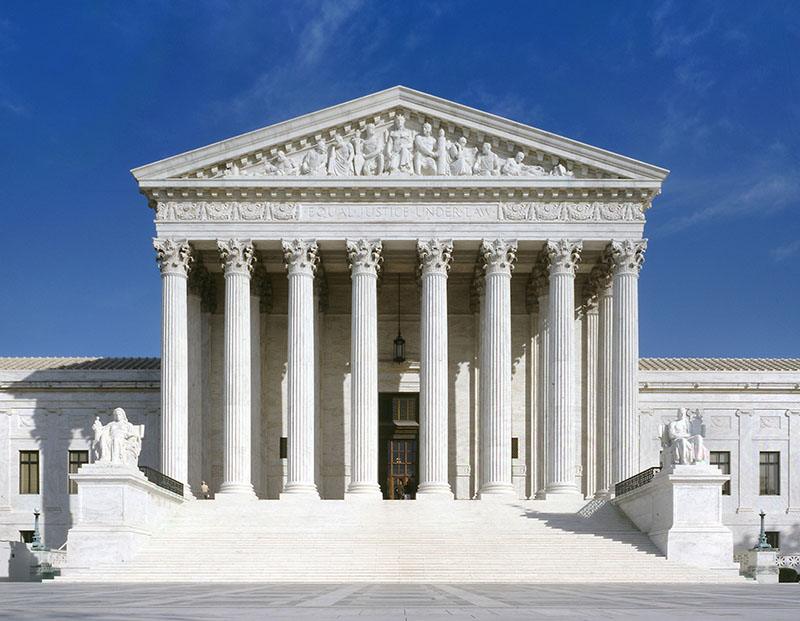
The Supreme Court of the United States is the highest federal court in the United States and a central institution in American public life. Its interpretations of the Constitution and federal law shape political practice, civil liberties and the balance of powers among the branches of government. For readers in the United Kingdom and beyond, the Court’s judgments often influence comparative legal debate and inform views on constitutional governance.
Main body: Role, Composition and Procedure
Role and jurisdiction
Established by Article III of the US Constitution, the Supreme Court serves as the final arbiter of federal legal disputes. It exercises appellate jurisdiction over federal courts and, in some cases, state courts when federal law or constitutional questions are involved. The Court also has limited original jurisdiction in specific types of disputes, such as those between states.
Composition and appointment
The Court normally sits with nine justices — one Chief Justice and eight Associate Justices — who are nominated by the President and confirmed by the US Senate. Justices hold office for life, subject to retirement, resignation or impeachment and removal. This lifetime tenure is intended to insulate judicial decision-making from immediate political pressures.
How cases reach the Court
Most cases arrive on petition for a writ of certiorari; the Court grants certiorari to a small fraction of petitions each term, typically those that raise significant federal or constitutional issues or where lower courts have produced conflicting rulings. When the Court accepts a case, it hears oral arguments, receives written briefs from the parties and often from amici curiae, and issues a written opinion explaining its reasoning.
Public significance
Decisions of the Supreme Court can have immediate and long-term effects on law and public policy, touching areas such as civil rights, regulatory power, criminal procedure and the separation of powers. The Court’s rulings are closely watched by legislators, governments, civic groups and the public.
Conclusion: What to watch and why it matters
The Supreme Court of the United States remains a pivotal institution whose interpretations of law resonate well beyond American borders. Observers should watch shifts in the Court’s membership, docket composition and reasoning, as these shape legal precedents that influence governance, rights and public policy over decades.