

An Overview of the Infected Blood Scandal in the UK
Introduction
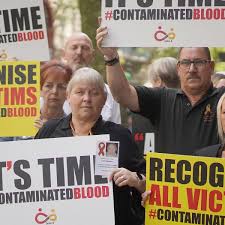
The Infected Blood Scandal remains one of the most significant public health crises in the United Kingdom’s recent history. It refers to the exposure of thousands of individuals to contaminated blood products between the 1970s and 1990s, primarily affecting those with bleeding disorders. The ramifications of this scandal have been profound, leading to severe health complications, loss of life, and a profound sense of injustice among victims and their families.
The Scandal Unfolds
After the introduction of clotting factor concentrates for haemophiliacs, many patients inadvertently received blood products that were contaminated with HIV and Hepatitis C. The National Health Service (NHS) and other healthcare providers had failed to implement appropriate screening measures during this time, which resulted in the exposure of around 5,700 individuals to these deadly viruses. The blood products were imported from the United States, which had its own issues with blood safety.
Impact on Victims
The consequences of this scandal have been devastating. Many individuals developed chronic health issues, including liver disease, cancer, and in many tragic cases, premature death. The emotional toll has also been substantial, leading to mental health challenges for both those infected and their families. Affected individuals have often found themselves stigmatised and ostracised from society, compounding their struggles.
Current Inquiries and Actions
In light of public outrage and the persistent calls for justice, the UK government has initiated several inquiries. Notably, the Infected Blood Inquiry began in 2018 and aims to investigate the circumstances that led to the scandal and establish accountability. The inquiry has heard testimony from numerous affected individuals and families, illuminating the tragic experiences endured over several decades.
Conclusion
The Infected Blood Scandal is a stark reminder of the importance of safety and ethics in medical practices. As the inquiry continues to unfold, it not only seeks justice for victims but also aims to ensure that such failures are never repeated. The struggle for recognition, restitution, and closure is ongoing for many survivors, and society must remain aware and engaged with the implications of this scandal, which highlights the need for accountability in public health policy and practices.