

Ghislaine Maxwell Files Last-Ditch Petition to Overturn Conviction Ahead of Epstein Files Release
Introduction: A High-Stakes Legal Challenge
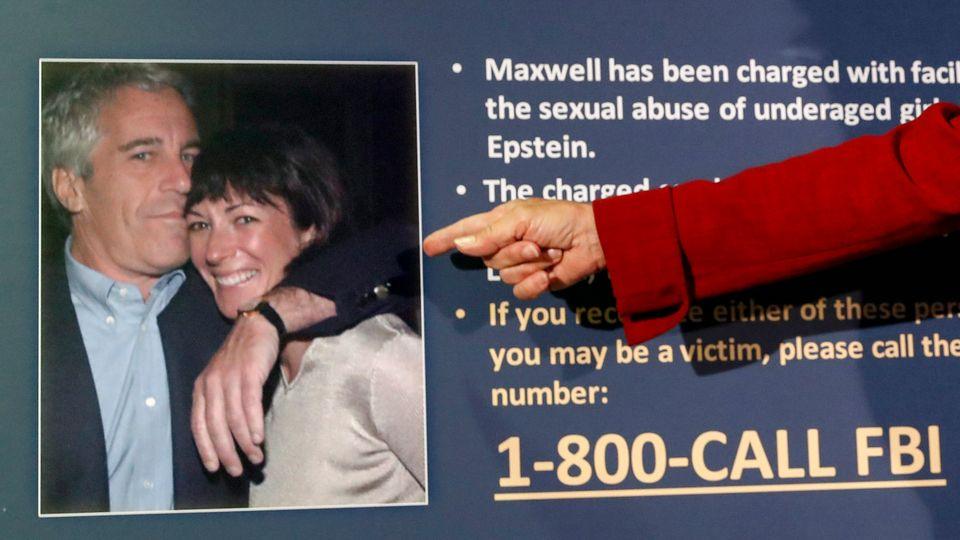
Ghislaine Maxwell, the convicted accomplice of disgraced financier Jeffrey Epstein, has launched a final attempt to overturn her sex trafficking conviction. The former British socialite asked a federal judge to set aside her sex trafficking conviction and quash her 20-year prison sentence, citing ‘substantial new evidence’ that emerged proving constitutional violations spoiled her 2021 trial. This development comes at a critical moment, as the U.S. Justice Department prepares to release a massive trove of Epstein-related documents under the newly enacted Epstein Files Transparency Act.
The Legal Manoeuvre: A Habeas Corpus Petition
Having run out of the typical avenues for appeal, Maxwell is now using an unusual legal mechanism known as a habeas petition, which seeks extraordinary relief from a court. Her submissions with the federal court in Manhattan were also filed pro se, meaning that they were filed by Maxwell herself, rather than by her attorneys. The 63-year-old was convicted in 2021 for recruiting and grooming underage girls for sexual abuse by Epstein.
Maxwell says in her court filing that the new evidence ’emerged from related civil actions, Government disclosures, investigative reports, and documents demonstrating constitutional violations,’ claiming her conviction must be vacated because a juror at her trial in 2021 ‘gave false answers during voir dire’ and that ‘subsequent interviews, new evidence and sworn statements confirm intentional concealment and actual bias’ by that juror.
Timing and the Epstein Files Release
The timing of Maxwell’s petition is significant. Maxwell’s filing came two days before a large set of records from her case was scheduled to be made public under the Epstein Files Transparency Act, which requires the Justice Department to release Epstein-related records by Friday. The law was signed by President Donald Trump following months of political and public pressure.
Maxwell was moved to a less restrictive minimum-security prison in Bryan, Texas, following a two-day interview with Deputy Attorney General Todd Blanche this summer, a transfer that ignited controversy over whether she was receiving preferential treatment to help the Trump administration.
Conclusion: Long Odds Ahead
Legal experts suggest Maxwell faces an uphill battle. Proceedings of the type brought by Maxwell are routinely denied by judges and are often the last-ditch option available to offenders to have their convictions overturned. A higher court rejected her post-trial appeals, and the Supreme Court declined to take up her case earlier this year.
For victims of Epstein’s abuse and the wider public, the case remains deeply significant. The imminent release of the Epstein files could shed new light on the extensive trafficking network, whilst Maxwell’s legal challenge highlights ongoing questions about justice and accountability in one of the most notorious criminal cases of recent decades. Whether her petition will succeed remains highly uncertain, but it underscores the continuing legal reverberations of the Epstein scandal.