

The Clocks Go Back: Understanding Daylight Saving Time
Introduction
The twice-yearly clock change is an event that affects millions across the United Kingdom. Known as Daylight Saving Time (DST), the practice of moving the clocks back occurs in October, signalling the end of longer summer evenings and the return to standard time. For many, this transition is essential, impacting everything from work schedules to daily routines.
Why Do Clocks Go Back?
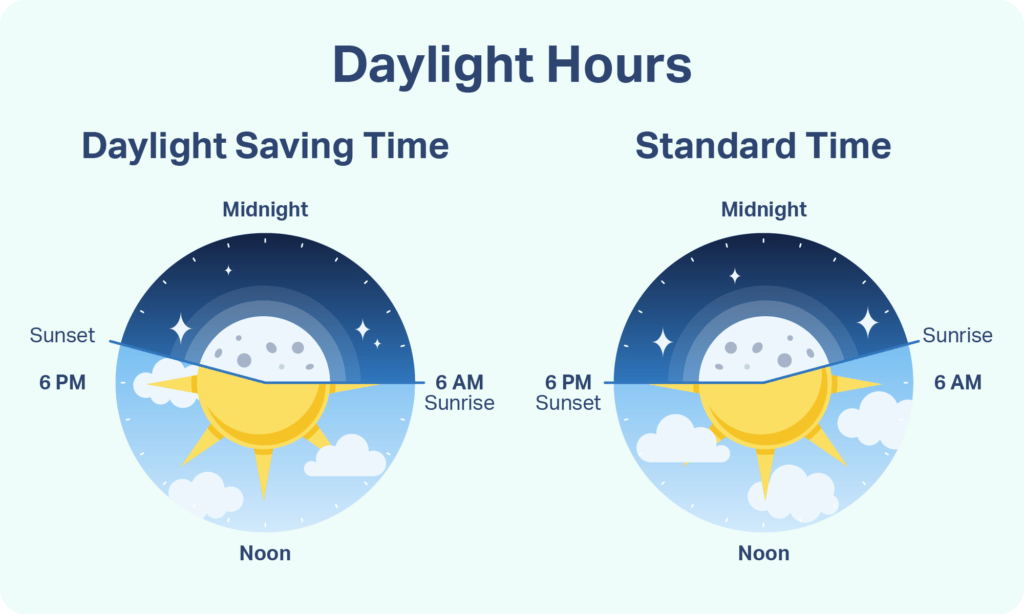
In the UK, clocks go back one hour at 2am on the last Sunday of October. This year, the clocks will turn back on October 29th, 2023. The primary aim of this seasonal adjustment is to make better use of daylight during the shorter months. According to the UK government, this change helps to conserve energy, reduce accidents, and allows people to maximise the available daylight in the evenings.
Impact on Society
The effects of reverting to standard time are multifaceted. Experts warn of potential impacts on mental health, as the shorter days can contribute to Seasonal Affective Disorder (SAD), where individuals experience depressive symptoms due to reduced sunlight exposure. Conversely, more daylight in the morning can enhance safety for schoolchildren and early commuters.
Public Opinion
Public opinion on the clock change remains divided. Recent surveys indicate that many Britons support the idea of scrapping the time change altogether. In 2019, the European Parliament voted in favour of ending the biannual clock changes, but this legislation has yet to be implemented in the UK, as officials continue discussions on the implications of such a move.
Conclusion
The upcoming clock change serves as a reminder of the complexities surrounding Daylight Saving Time. While it has historical roots in energy conservation and public safety, the debate surrounding its relevance in modern society continues. As the clocks go back, individuals and families are encouraged to adapt their routines accordingly, ensuring they make the most of the available daylight in the upcoming winter months. Looking ahead, it remains to be seen whether the UK will ultimately choose to abandon this practice or continue with the status quo. For now, preparations for the change and public discourse will surely persist.