

What time is iftar today — how to find your local time
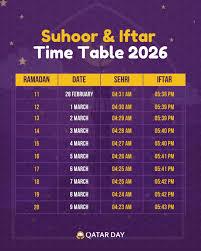
Introduction: Why knowing iftar time matters
For Muslims observing Ramadan, knowing “what time is iftar today” is essential — iftar marks the daily breaking of fast at sunset. The exact time varies by location and date, and accurate timing is important for religious observance, family routines and community events. This guide explains how iftar times are determined and where to check today’s time reliably.
How iftar time is determined
Iftar occurs immediately after sunset and is tied to the Maghrib prayer time. Unlike predawn (Fajr) or night (Isha) times, which depend on specific twilight definitions, Maghrib is defined by the visible disappearance of the sun below the horizon. As a result, iftar time changes daily and differs between towns, cities and countries because of longitude, latitude and daylight saving adjustments.
Factors that affect the time
Key influences include your exact geographic location, the date in the Gregorian calendar, and whether daylight saving time (summer time) is in force. Coastal and inland areas can have slightly different sunset times on the same date, and northern latitudes may see rapid changes around seasonal transitions.
How to find what time iftar is today
Follow these straightforward steps to get an accurate iftar time for your location:
- Check your local mosque or Islamic centre — they often publish daily Maghrib/iftar times for the community.
- Use reputable websites or apps such as IslamicFinder, Muslim Pro or time-and-date services; enter your city or postcode to get locally calculated Maghrib times.
- Consult national or regional Islamic authorities if you want a timetable that follows a particular school of thought or local convention.
- Verify whether daylight saving time applies in your area to ensure the time shown matches local clocks.
Conclusion: Practical tips and significance
Knowing “what time is iftar today” is both a practical and spiritual necessity during Ramadan. For accuracy, rely on local mosque announcements or trusted online tools, and set alarms a few minutes after the listed Maghrib time to allow for local variation. Accurate timing helps individuals observe religious duties correctly and supports communal meals and prayers, reinforcing the shared rhythm of Ramadan life.