

Why Lord of the Flies Still Matters: A Contemporary Look
Introduction: Why the topic matters
Lord of the Flies has occupied a central place in discussions of literature, education and social psychology for decades. First published in 1954 by William Golding, the novel’s exploration of human nature, group dynamics and the thin line between civilisation and savagery continues to make it relevant to teachers, students and readers worldwide. As debates over school curricula and the role of classic texts persist, revisiting the novel offers insight into why it remains influential.
Main body: Details and key facts
Background and authorship
Written by William Golding and published in 1954, Lord of the Flies tells the story of a group of schoolboys stranded on an uninhabited island and their gradual descent into conflict. Golding’s work drew on his experiences and observations of human behaviour; he was later awarded the Nobel Prize in Literature in 1983 for his contributions to fiction.
Themes and classroom relevance
The novel addresses enduring themes: the conflict between order and chaos, the construction of authority, moral responsibility and the capacity for violence. These themes make it a frequent choice in secondary-school syllabuses and university courses that examine literature, ethics and psychology. Teachers often use the text to prompt discussion about leadership, peer pressure and the social structures that shape behaviour.
Adaptations and cultural impact
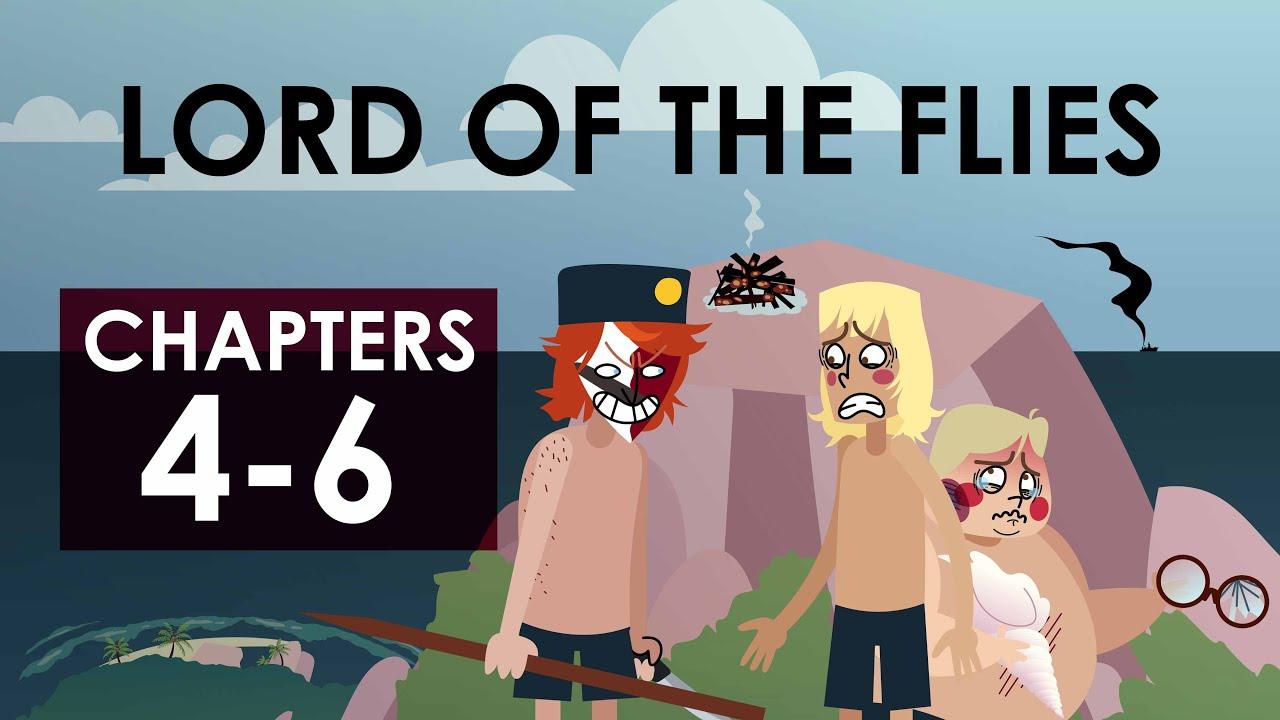
Lord of the Flies has been adapted into film and stage productions, most notably Peter Brook’s 1963 film and subsequent adaptations that interpret the story for different audiences. Its imagery and central symbols — the conch, the signal fire and the titular ‘beast’ — have entered broader cultural conversation, informing debates about civilisation and power.
Conclusion: Implications and outlook
Lord of the Flies continues to matter because it raises questions that remain unresolved in contemporary society: how communities govern themselves, how fear shapes behaviour, and how fragile social order can be. For educators and readers, the novel serves both as a literary work and as a prompt for discussion about ethical and social issues. As long as debates about curriculum and the role of literature in public life persist, Lord of the Flies is likely to remain a focal point for analysis, adaptation and classroom debate.