

Why the hobbit Still Resonates: Adaptations, Readers and Cultural Impact
Introduction: Why the hobbit remains important
The hobbit, written by J.R.R. Tolkien and first published in 1937, is widely recognised as a foundational work of modern fantasy. Its importance lies not only in its storytelling—centred on Bilbo Baggins and his unexpected journey—but in the way it shaped later fantasy literature, popular culture and media adaptations. Continued interest in the book reflects enduring themes such as adventure, friendship and moral growth, which remain relevant to contemporary readers and audiences.
Main body: Adaptations and ongoing influence
Film and media adaptations
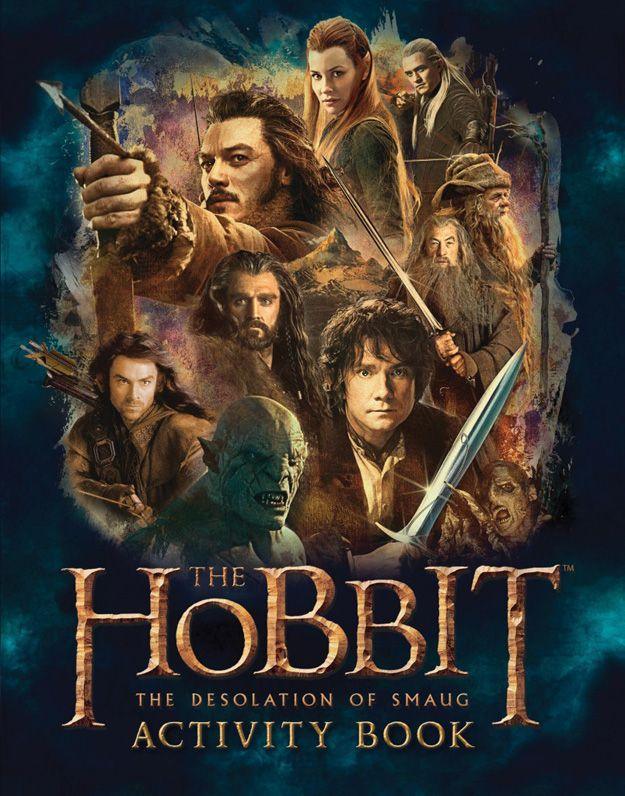
The hobbit has been adapted for a variety of media. Most prominently, a feature‑film adaptation directed by Peter Jackson was released as a trilogy between 2012 and 2014, bringing the story to a global cinema audience and renewing interest in Tolkien’s wider legendarium. Other adaptations have included radio dramatizations, stage productions and illustrated editions, each interpreting Tolkien’s text for different audiences and age groups.
Readership, scholarship and fan communities
Alongside media adaptations, the hobbit continues to attract readers of all ages. The book is used in educational settings to introduce narrative structure, mythic elements and language play, while academic scholarship examines its philological roots and cultural context. Fan communities remain active, organising events and discussions that explore the book’s characters, themes and connections to Tolkien’s larger works.
Cultural and commercial impact
The hobbit’s influence extends beyond literature. It has informed successive generations of fantasy authors and game designers and has contributed to a sustained market for illustrated and annotated editions. The story’s familiar motifs—journey, treasure and transformation—have been referenced across popular culture, ensuring the title’s presence in both scholarly and commercial spheres.
Conclusion: Significance and outlook for readers
Decades after its first publication, the hobbit continues to resonate because it combines accessible storytelling with rich imaginative detail. Looking ahead, its influence is likely to endure through further scholarly study, new editions and occasional adaptations that reintroduce Tolkien’s world to fresh audiences. For readers, the book remains a gateway to the wider lore Tolkien created and a persistent reminder of the power of imaginative fiction to shape culture and community.