

Wuthering Heights: Themes, Ending and 2026 Film Adaptation
Introduction: Why Wuthering Heights still matters
Wuthering Heights remains a focal point of literary debate for its uncompromising portrayal of obsessive love, cruelty and vengeance. The novel’s exploration of nature, the supernatural and the destructive power of unresolved emotion continues to prompt questions about whether it should be read as a conventional love story or as a darker study of damaged characters. Renewed public interest is likely as a high-profile film adaptation is scheduled for release in February 2026.
Main details: plot, themes and narrative frame
Origins and central plot
The narrative follows Heathcliff and Catherine Earnshaw, whose relationship is driven by passionate attachment and mutual harm. Key backstory elements are central: Heathcliff is found as a hungry, crying and dirty child in the streets of Liverpool and taken in by the compassionate Mr Earnshaw, Catherine’s father. Much of the novel’s information comes to a later narrator through Nelly Dean, the long-serving housekeeper at Thrushcross Grange, who recounts events spanning three generations.
Themes and religious framing
Readers and critics note the novel’s persistent engagement with themes of revenge, the natural and the supernatural. Brontë gives little respect to formal religious observance in many characters; those exhibiting pronounced religiosity include Joseph, often viewed as a satirical figure, and Nelly Dean, who repeatedly urges Heathcliff to repent. Elements of theological redemption are present, particularly in the later actions of Cathy and Hareton.
The ending and legal particulars
When the frame narrator returns in October, Hareton is master of Wuthering Heights, while the Michaelmas rents for Thrushcross Grange are being collected in Cathy Heathcliff’s name (through Nelly Dean on her behalf). The text notes that Heathcliff may have prospective control of the landed estates, directly or via his son, but he does not acquire Edgar Linton’s personal property — items legally distinct from land, such as money, furniture and livestock.
Film adaptation and renewed interest
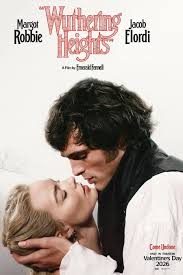
A new film directed and scripted by Emerald Fennell, starring Margot Robbie and Jacob Elordi, is slated for worldwide theatrical release around Valentine’s Day 2026. The production, distributed by Warner Bros., features a notable cast and creative team and is likely to prompt fresh discussion about the novel’s classification, characters and enduring appeal.
Conclusion: significance for readers
Wuthering Heights endures because its characters unsettle as much as they fascinate. The novel’s blend of raw emotion, moral ambiguity and questions about redemption ensures continual reappraisal; the forthcoming film adaptation will probably reintroduce these debates to a broader audience and encourage readers to revisit Brontë’s stark, contentious masterpiece.