

Exploring ‘The Forsytes’: Class and Culture in England
Introduction
‘The Forsytes’ is a prominent series of novels by English author John Galsworthy, published between 1906 and 1921. Centered around the wealthy Forsyte family, this literary work provides a fascinating insight into the dynamics of class, wealth, and societal norms in early 20th-century England. With recent adaptations in film and television, the relevance of Galsworthy’s work continues to resonate with audiences today, prompting discussions about themes of materialism, family loyalty, and changing social structures.
Background and Significance
The Forsyte Saga initially consists of three novels and two interludes, capturing a period of societal change marked by the decline of the Victorian era and the emergence of modernism. The Forsytes encapsulate the essence of a capitalist society, where personal ambition and the pursuit of wealth often overshadow genuine human connections. This narrative serves as a critique of the upper-middle-class values of the time, illustrating how they shaped personal relationships and societal expectations.
Recent Adaptations
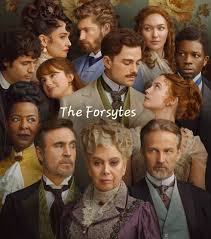
In recent years, ‘The Forsytes’ has been adapted into various formats, including a successful BBC television series that aired in 2002. The adaptation was praised for its stunning visuals and faithful representation of Galsworthy’s character development and societal critiques. With a new generation discovering the series, the themes remain pertinent, reflecting ongoing discussions about class and privilege in contemporary society.
Current Relevance
Today, ‘The Forsytes’ resonates with readers as it explores the complexities of wealth and identity. As society grapples with issues of inequality and the notion of success, the Forsyte family’s struggles and triumphs offer a mirror to our own realities. The increased interest in the topics presented in Galsworthy’s work can lead to deeper conversations about the role of families in shaping societal norms and the impact of wealth on relationships.
Conclusion
‘The Forsytes’ continues to be a significant cultural artefact that encourages reflection on the evolution of class and family dynamics. As adaptations regain popularity, Galsworthy’s observations remain relevant, bridging the historical with contemporary dilemmas regarding class and society. As newer audiences delve into the stories and themes, the work may serve not only as entertainment but also as an important commentary on the enduring effects of social structures in today’s world.