

It Was Just an Accident: A Defiant Masterpiece From Behind Prison Walls
Introduction: A Triumph Against Censorship
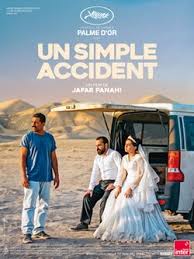
In an extraordinary demonstration of artistic resilience, Jafar Panahi’s latest film, It Was Just an Accident, won the Palme d’Or at Cannes Film Festival in May 2025, marking a watershed moment for Iranian cinema. The film was shot in secret on the streets of Tehran, defying government censorship and representing the first feature Panahi directed after spending seven months in Evin prison from 2022 to 2023. This achievement resonates far beyond the film world, symbolising the power of art to transcend oppression and speak truth to authority.
The Film’s Gripping Narrative
It Was Just an Accident centres on a group of former prisoners who encounter a man they believe was the guard who tortured them, and must grapple with whether or not to exact revenge. The film continues to draw crowds with a tense moral puzzle that unfolds on Tehran’s streets and in the uneasy memories of former prisoners. The narrative skilfully balances dark humour with intense themes, creating “a defiant rebuke of authoritarianism that still delivers the entertainment value of a gripping thriller”.
International Recognition and Recent Developments
The film’s success extends beyond Cannes. On Monday night, the writer and director was present when his film It Was Just an Accident won big at New York’s Gotham Awards, claiming three prizes. At the 83rd Golden Globe Awards, it became the first Iranian film to be nominated for Best Motion Picture – Drama, Best Director and Best Screenplay. However, the celebration is bittersweet: hours before the Gotham Awards, his lawyer shared that Panahi was sentenced in absentia to a year in prison in Iran, highlighting the ongoing persecution he faces for his art.
Conclusion: The Significance for Cinema and Freedom
It Was Just an Accident represents more than cinematic excellence—it embodies the indomitable spirit of artistic freedom. On Rotten Tomatoes, 98% of 167 critics’ reviews are positive, demonstrating universal critical acclaim. The film is described as “the rare year-end phenomenon that marries urgency with control: a lean, nervy thriller that keeps widening into an argument about how societies remember harm”. For audiences worldwide, Panahi’s courage in creating this masterpiece under threat of imprisonment offers a powerful reminder that art can flourish even in the darkest circumstances, serving as both testament and inspiration for those fighting for expression and justice.