

The Life and Works of Frederick Forsyth
Introduction
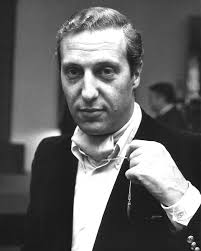
Frederick Forsyth, born on August 27, 1938, is a renowned British author and journalist, best known for his thrilling novels that delve into espionage, war, and political intrigue. Forsyth’s ability to weave intricate plots with meticulously researched details has earned him a place among the greats of modern fiction. His works continue to captivate readers worldwide, making him a significant figure in contemporary literature.
Career Highlights
Forsyth’s career began in journalism, where his keen observational skills laid the groundwork for his fiction writing. His debut novel, The Day of the Jackal, published in 1971, was a sensational success, introducing readers to a gripping tale of an assassination attempt on French President Charles de Gaulle. The book’s realistic portrayal of the meticulous planning involved in the plot showcased Forsyth’s talent for crafting tension-filled narratives.
Following this, Forsyth published several other acclaimed novels, including Dogs of War, The Odessa File, and The Fourth Protocol. Each work highlights his ability to intertwine historical events with imaginative plots, ultimately engaging readers while often highlighting political and moral dilemmas. Forsyth’s works have been translated into over 30 languages, establishing him as a global literary icon.
Recent Works and Contributions
In recent years, Forsyth has continued to write, maintaining his status as a relevant voice in literature. His 2016 novel, The Fox, returned to themes of espionage and betrayal, showcasing his knack for suspenseful storytelling, even after decades in the industry. Forsyth’s ability to remain current and address modern themes, such as cyber warfare and geopolitical tensions, speaks to his adaptability as an author.
Additionally, Forsyth’s contributions extend beyond fiction. He has written extensively on various topics, from his experiences as a journalist to opinions on global politics. His commentary often reflects his deep understanding of international affairs and history.
Conclusion
Frederick Forsyth’s enduring legacy as a master of the thriller genre is evident through his extensive body of work and the impact he has had on readers and writers alike. His meticulous research and ability to create engaging narratives have not only entertained but also informed the public about complex global issues. As he continues to write, there is no doubt that Forsyth will remain a pivotal figure in literary circles, inspiring new generations of readers and aspiring authors. His novels will likely remain a staple for those who enjoy expertly crafted stories filled with suspense and intrigue.