

The Other Bennet Sister: Giving Voice to Pride and Prejudice’s Forgotten Heroine
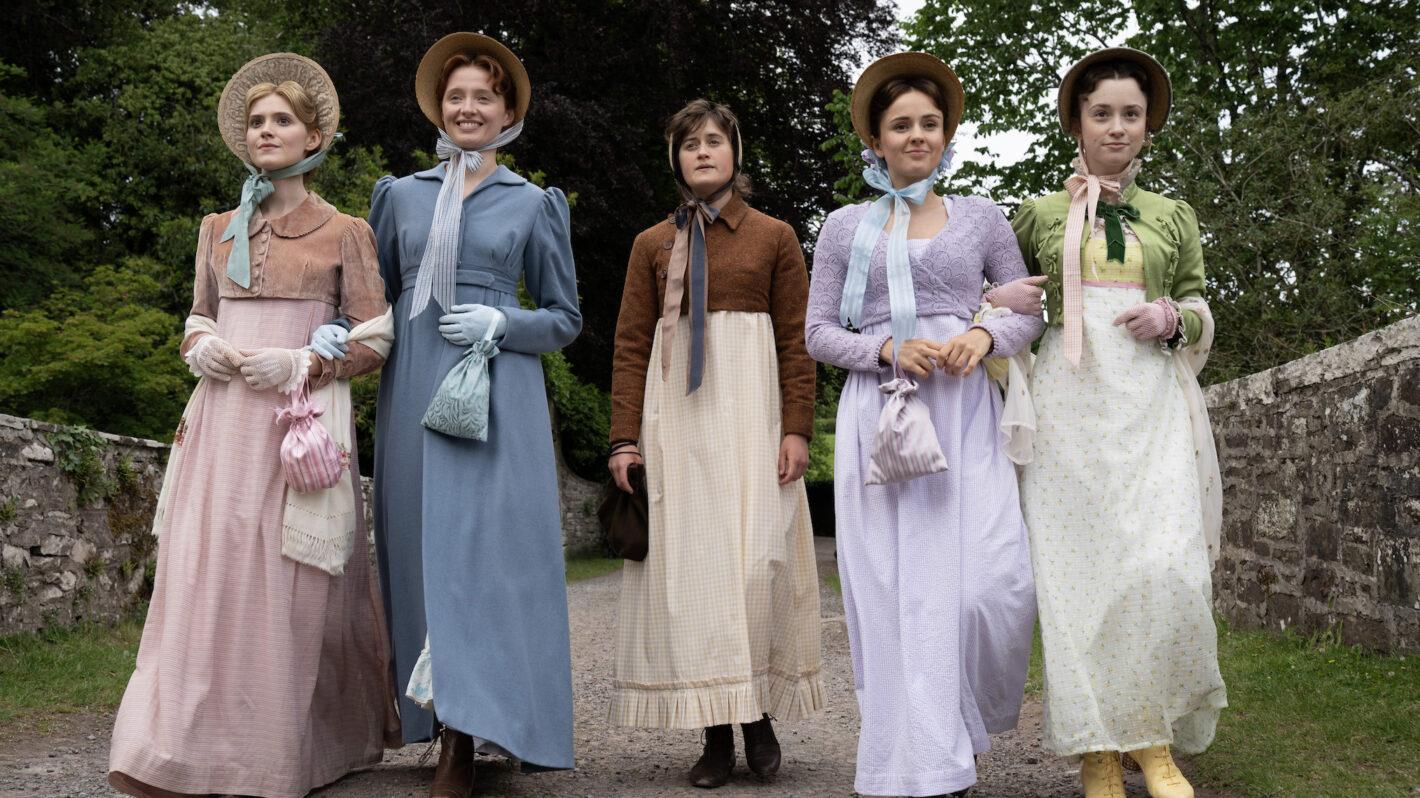
Introduction: Why Mary Bennet Matters
In the world of Jane Austen adaptations, Elizabeth and Jane Bennet have long dominated the spotlight. However, Janice Hadlow’s novel The Other Bennet Sister shifts focus to Mary, the often-overlooked middle sister from Pride and Prejudice. This reimagining has captivated readers by exploring themes of identity, family dynamics, and female empowerment in Regency England, offering a compelling narrative for those who have ever felt invisible or underestimated.
The Story Behind Mary Bennet
In Austen’s original novel, Mary is portrayed as plain, pedantic, and socially awkward—the sister who never quite fits in. Hadlow’s novel transforms this minor character into a fully-realised protagonist, tracing Mary’s journey from being dismissed by her family to discovering her own worth and purpose. The story begins where Austen’s ends, following Mary as she navigates life after her sisters’ marriages, dealing with feelings of inadequacy and loneliness before ultimately finding her own path to happiness and self-acceptance.
The novel has resonated with readers who identify with being the ‘other’—the overlooked sibling, friend, or colleague. Hadlow’s Mary is intelligent and thoughtful, qualities that were undervalued in her youth but become strengths as she matures. The book explores how she learns to connect with others, overcome her insecurities, and forge meaningful relationships.
Literary Significance and Reader Impact
The Other Bennet Sister represents a growing trend in literature: giving voice to secondary characters from classic novels. By centring Mary’s perspective, Hadlow challenges readers to reconsider assumptions about worth and success. The novel demonstrates that not every woman’s story follows the romantic plot of Elizabeth Bennet—some journeys are about personal growth and finding one’s place in the world.
For modern readers, Mary’s story offers valuable lessons about resilience, self-discovery, and the importance of being true to oneself, making this reimagining both timely and timeless.