

The Other Bennet Sister: Renewed Interest in Pride and Prejudice’s Minor Figures
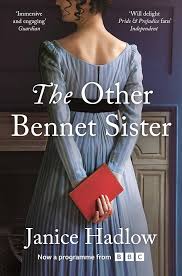
Introduction: Why ‘the other Bennet sister’ matters
The phrase “the other Bennet sister” evokes the lesser-known siblings of Jane Austen’s central characters in Pride and Prejudice. While Elizabeth and Jane remain dominant in popular discourse, their sisters Mary, Catherine (Kitty) and Lydia are often grouped as “the other” Bennets. Interest in these figures matters because it reflects a broader cultural shift towards recovering marginalised perspectives in classic literature and adapting familiar stories to contemporary concerns.
Main body: Contemporary attention and what it looks like
Readers and reappraisals
Readers, book groups and online communities have increasingly examined Mary, Kitty and Lydia as distinct characters rather than archetypal foils. This reassessment focuses on motive, social context and the limited narrative space Austen afforded them. Mary is sometimes read as earnest but over-serious; Kitty as shaped by family dynamics; Lydia as youthful and impulsive. Treating any of these as “the other Bennet sister” underscores how secondary characters can offer fresh lenses on well-known stories.
Adaptation and creative responses
Fan fiction, stage adaptations and critical essays often spotlight one of the less central sisters to explore themes left unexplored in the original novel—such as sisterhood, class mobility and gendered expectations. Creative responses tend to expand background, give interior lives and imagine alternate outcomes, reflecting contemporary appetite for diverse perspectives within canonical works.
Scholarly and cultural significance
Academics and cultural commentators note that examining “the other Bennet sister” can illuminate Austen’s narrative choices and the constraints of early 19th-century fiction. Such studies consider how narrative focus shapes reader sympathy and how social commentary is distributed among characters.
Conclusion: What readers can expect
Interest in “the other Bennet sister” signals a continuing engagement with Pride and Prejudice beyond its principal protagonists. For readers and creators, the lesser-known Bennet sisters offer fertile ground for reinterpretation and discussion. As adaptations and scholarly interest persist, expect further explorations that reframe secondary characters as central voices, enriching how modern audiences understand Austen’s world.