

Why Lord of the Flies Still Resonates
Introduction: Why the topic matters
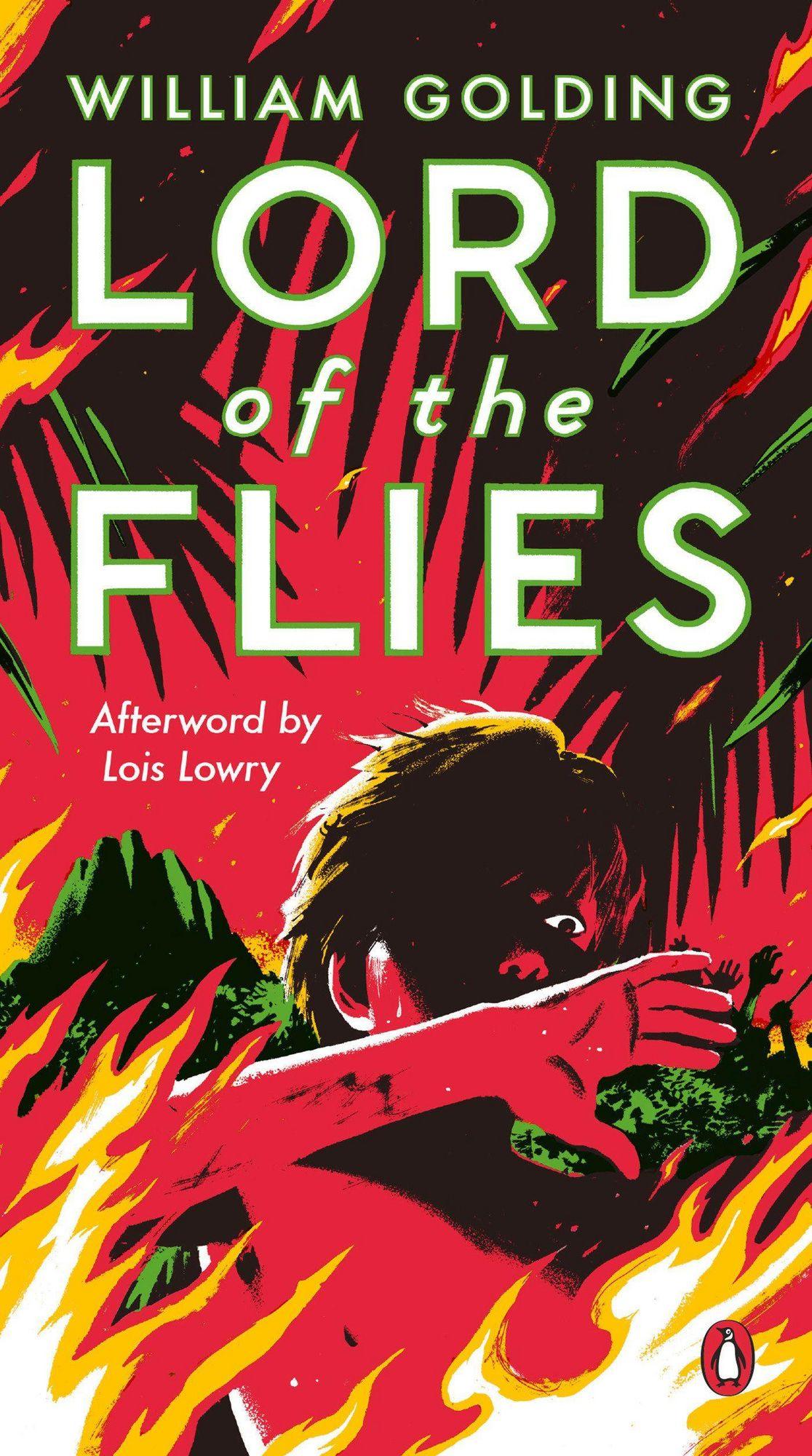
Lord of the Flies remains one of the most discussed British novels of the 20th century. First published in 1954 and written by William Golding, the book is regarded as a key text for understanding themes of human nature, order and chaos. Its continued presence in education and culture makes it relevant for readers, teachers and anyone interested in how literature reflects social concerns.
Main body: Background, facts and cultural footprint
Background and publication
William Golding published Lord of the Flies in 1954. The novel describes a group of schoolboys stranded on an uninhabited island and charts the breakdown of social structures as the characters confront fear, authority and survival. Golding later received the Nobel Prize in Literature in 1983, an acknowledgement of his wider contribution to literature, of which this novel is a prominent part.
Themes and enduring interest
The book is frequently cited for its exploration of civilisation versus savagery, leadership and the psychology of group behaviour. Those themes have sustained academic analysis and classroom debate for decades. In the United Kingdom and elsewhere, the novel is regularly studied in secondary education as a way of introducing students to narrative technique, allegory and ethical questions raised by extreme circumstances.
Adaptations and public reach
Lord of the Flies has been adapted for stage and screen. Notable film versions include Peter Brook’s 1963 adaptation and a later 1990 film directed by Harry Hook. These adaptations introduced the story to wider audiences and prompted renewed discussion about its visual and interpretive possibilities. Stage productions and critical essays continue to examine how the novel’s allegory translates to different media.
Conclusion: Significance and outlook
As a work that probes the limits of social order and individual conduct, Lord of the Flies retains significance for contemporary readers. Its treatment of universal themes ensures it remains a fixture of literary study and public conversation. For educators, policymakers and readers, the novel offers a compact, provocative text that encourages reflection on leadership, community and the fragile balance between civility and chaos.