

Wuthering Heights Book: Why Emily Brontë’s Novel Still Matters
Introduction: The importance of Wuthering Heights book
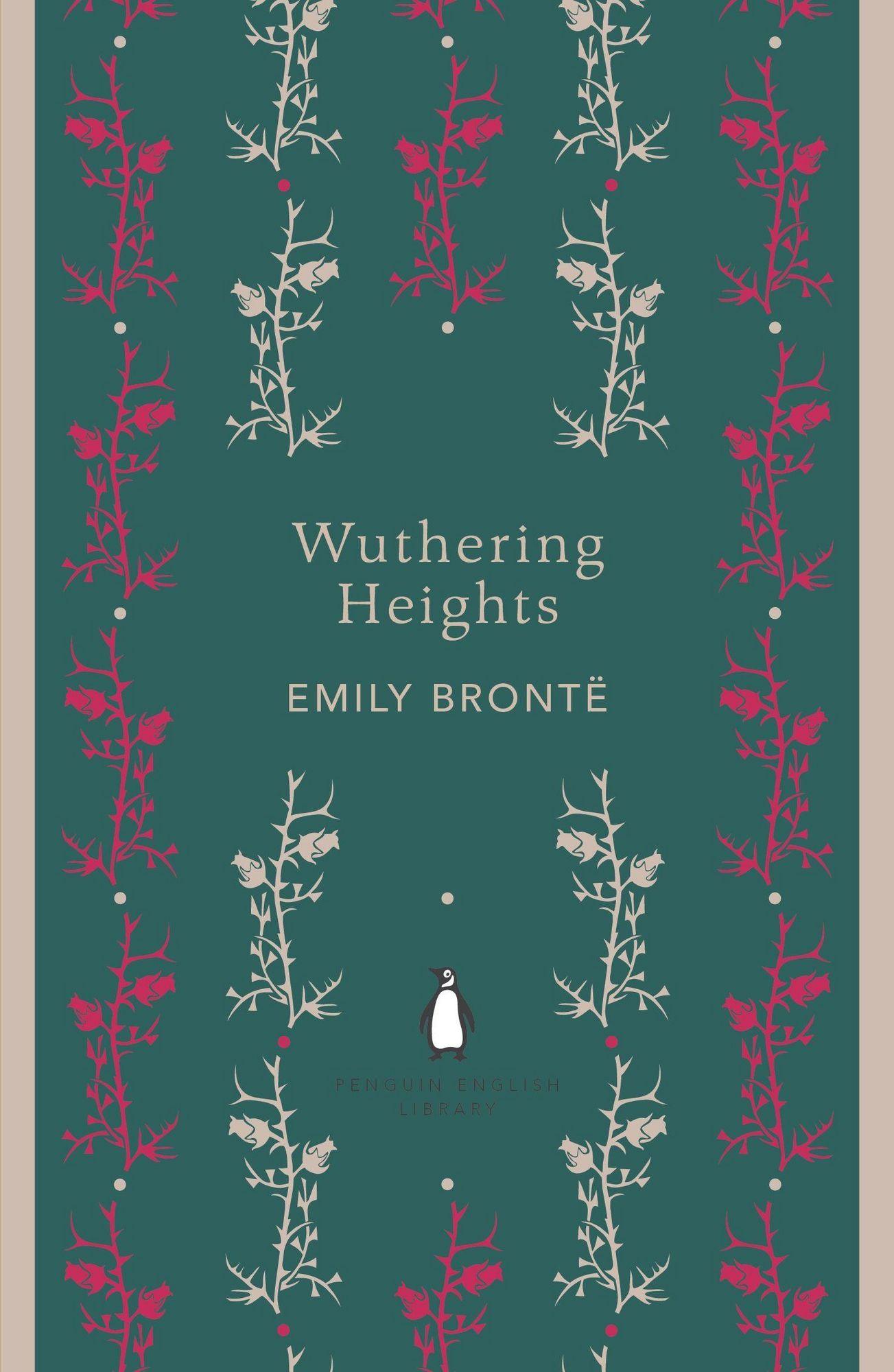
The Wuthering Heights book, written by Emily Brontë and first published in 1847, remains one of the most discussed works in English literature. Its exploration of passion, revenge and social mores has secured its place on reading lists and in scholarly debate. Understanding the novel’s origins, themes and reception helps readers appreciate its ongoing cultural influence and why it continues to be relevant to contemporary audiences.
Main body: Publication, plot and reception
Publication and authorship
Emily Brontë published Wuthering Heights under the male pseudonym Ellis Bell. Released in 1847 by Thomas Cautley Newby, it was Brontë’s only novel. The book arrived in a literary climate dominated by social realist novels; its gothic intensity and unconventional structure initially divided critics.
Plot and characters
Set on the Yorkshire moors, the story centres on the volatile relationship between Heathcliff and Catherine Earnshaw, and the consequences of their passions for subsequent generations. The novel uses a framed narrative—with Mr Lockwood and the housekeeper Nelly Dean relaying events—to create a layered, sometimes unreliable perspective on motive and morality.
Themes and literary craft
Wuthering Heights book is notable for its treatment of love and obsession, social class, and the interplay between nature and human behaviour. Brontë’s use of atmosphere, dialect and narrative voice contributes to a sense of raw emotional energy that challenged Victorian expectations of propriety in fiction.
Reception and legacy
Early reviews ranged from bewilderment to praise; over time the novel has been reassessed and celebrated for its originality. It has influenced countless writers and inspired adaptations across film, theatre, television and music, ensuring the story reaches audiences beyond the page.
Conclusion: Ongoing significance and what readers can expect
More than 175 years after its publication, the Wuthering Heights book continues to provoke strong responses. Its themes remain pertinent—questions about identity, power and the effects of unresolved emotion still resonate. Readers approaching the novel can expect an intense, often unsettling experience that rewards close reading and discussion. As scholarship and adaptations continue to refresh interpretive angles, Wuthering Heights is likely to retain its place in the literary conversation for the foreseeable future.