

Wuthering Heights review: why Brontë’s novel still divides and fascinates
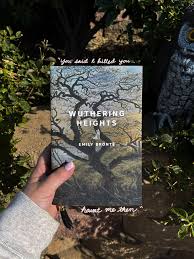
Introduction: The ongoing relevance of a landmark novel
Wuthering Heights review remains a frequent subject for critics, scholars and readers because Emily Brontë’s sole novel continues to provoke strong responses. First published in 1847 under the pseudonym Ellis Bell, the book’s intensity, moral ambiguity and unconventional structure ensure it remains relevant to contemporary debates about class, gender, violence and narrative voice.
Why the topic matters
Assessing Wuthering Heights is not only a matter of literary taste: reviews shape how new generations encounter the work, influence adaptations for stage and screen, and inform academic teaching. A Wuthering Heights review therefore helps readers understand the novel’s complex emotional landscape and its cultural afterlife.
Main body: Critical perspectives and enduring facts
Core elements critics address
Most discussions in a Wuthering Heights review revolve around a few established facts: the novel’s central figures (Heathcliff and Catherine Earnshaw), its frame narrative (notably Lockwood and Nelly Dean), and recurring motifs of passion, revenge, and the wild Yorkshire moors. Critics commonly note Brontë’s blend of Gothic intensity with social observation, and the ways in which the text resists easy moral judgement.
Divergent readings
Reviews often diverge on whether Heathcliff is to be read primarily as a tragic anti‑hero, a villain shaped by social cruelty, or a symbol of obsessive love and possession. Similarly, Catherine’s character attracts debate: is she wilfully destructive, constrained by class expectations, or both? A balanced Wuthering Heights review recognises that these readings coexist and that the novel’s power comes from this productive tension.
Adaptations and continued public interest
Adaptations and scholarly reinterpretations keep the novel in public view, prompting fresh Wuthering Heights reviews that compare texts with films, plays and television versions. Such comparative reviews often highlight which aspects of the original—its narrative layering, psychological complexity or bleak landscape—are preserved or lost in adaptation.
Conclusion: What readers should take away
A contemporary Wuthering Heights review concludes that Brontë’s novel endures because it resists closure: it invites repeated reading and re‑evaluation. For readers and students, the book rewards engagement with differing reviews and critical approaches. Future discussions will likely continue to re‑examine the novel through changing cultural lenses, ensuring Wuthering Heights remains a living subject of review and debate.