

Cockermouth: Heritage, Tourism and Flood Resilience in Cumbria
Introduction
Cockermouth commands attention as a distinctive market town in Cumbria, positioned where the Rivers Cocker and Derwent meet. Its mix of literary heritage, local commerce and proximity to the Lake District National Park makes it relevant to readers interested in regional tourism, cultural history and community resilience. Ongoing attention to flood risk and local economic recovery keeps Cockermouth in the news as towns across the UK adapt to environmental and economic pressures.
Main body
Heritage and local economy
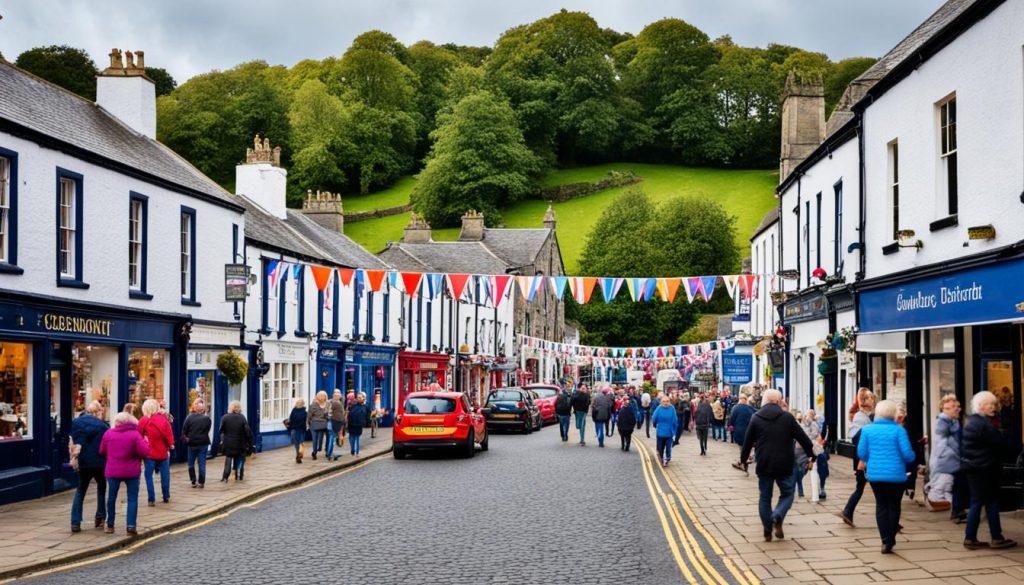
Cockermouth is widely recognised for its historical character and cultural links. The town’s streets, independent shops and weekly markets support a local economy built around visitors and community services. Proximity to the Lake District brings hikers and cultural tourists, while local museums and sites connected with the poet William Wordsworth contribute to the town’s appeal. Small businesses and hospitality providers remain central to employment and town centre vitality.
Flood history and resilience efforts
Flooding has been a recurring challenge for Cockermouth. Major flood events in the 21st century highlighted vulnerabilities in riverside communities and prompted investment in flood-defence measures, improved emergency planning and community preparedness. Local authorities, residents and organisations have worked on risk-reduction projects and recovery plans intended to reduce future disruption. These efforts emphasise a combination of engineered defences, better early-warning systems and community-led adaptation.
Community and cultural initiatives
The town continues to host cultural activities and community events that reinforce civic identity and draw visitors. Heritage interpretation, local festivals and initiatives to support independent retail are part of broader efforts to sustain economic and social life in the town centre. Volunteer groups and charities also play a role in recovery after extreme weather and in promoting conservation of local heritage.
Conclusion
Cockermouth’s combination of heritage significance, tourism importance and recent focus on flood resilience makes it a notable example of how small towns respond to environmental and economic change. For residents and visitors alike, the town’s future will hinge on balancing conservation and development while strengthening defences and supporting local businesses. Continued investment in resilience and sustainable tourism is likely to shape Cockermouth’s prospects in the years ahead.