

Port Talbot: A Welsh Town in Transition as Steel Industry Transforms
Introduction: A Pivotal Moment for Port Talbot
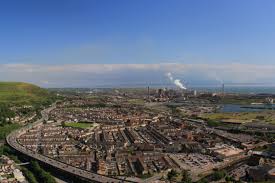
Port Talbot, a town synonymous with steel production for over a century, stands at a critical juncture in 2026. The South Wales community is navigating profound industrial transformation whilst simultaneously pursuing ambitious regeneration initiatives. As Tata Steel UK has secured planning approval for a cutting-edge Electric Arc Furnace at its Port Talbot steelworks as part of a £1.25 billion investment, the implications extend far beyond the steel industry, affecting thousands of families and the economic fabric of the entire region.
The Green Steel Revolution Takes Shape
The last steel from Port Talbot was cast into slab as Tata Steel UK starts its transition to scrap-based, low CO2, electric arc furnace steelmaking, with the Port Talbot site’s Sinter Plant, Blast Furnace 4 and steelmaking operations brought to an end. This marks the end of traditional blast furnace production that has defined the town’s identity since the 1920s. Tata Steel is replacing the furnace with a greener electric arc furnace which will use UK-sourced scrap steel, but that will not be operational until 2028.
The transformation, whilst environmentally progressive, comes at a significant human cost. The British government is contributing £500m to the transition which will cost £1.25bn and lead to 2,800 job losses. However, the project is expected to safeguard 5,000 jobs at the Port Talbot plant, offering hope for long-term sustainable employment in the region.
Community Investment and Local Priorities
Amidst industrial upheaval, Port Talbot is also seeing significant community investment. The first stages of delivering £20m worth of UK Government funding in Neath Port Talbot have been approved by the local council, with funding from the UK Government’s Pride in Place Programme focused on the borough’s upper Afan Valley area. The upper Afan Valley was confirmed as the chosen neighbourhood, an area known for its natural beauty, extensive walking, and biking trails, and valleys communities such as Cymmer, Croeserw, Glyncorrwg, Bryn, and Cwmavon.
Additionally, Neath Port Talbot Council has published its draft budget proposals for the 2026/27 financial year, which will deliver a record investment in schools including an additional £7 million earmarked to support pupils with additional learning needs and a further £330,000 allocated for building maintenance.
Conclusion: Balancing Progress and Community Impact
Port Talbot’s journey represents a microcosm of the challenges facing traditional industrial communities across the United Kingdom. The transition to green steel production demonstrates environmental ambition, yet the intervening period until 2028 when the new electric arc furnace becomes operational presents significant challenges for displaced workers and their families. The substantial community investment signals government recognition of the broader social impact, though local councillors have expressed concerns about the adequacy of support measures. As Port Talbot navigates this transformative period, its experience will likely inform industrial transitions in communities nationwide, making it a critical case study for balancing economic modernisation with social responsibility.