

Inside the Factory: How Modern Manufacturing is Transforming in 2026
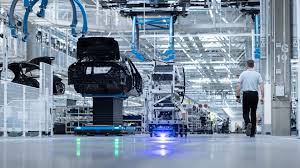
The Revolution on the Factory Floor
Stepping inside the factory in 2026 reveals a world transformed by cutting-edge technology and innovation. The shop floor of 2026 looks nothing like it did a decade ago, with smart factories, AI-powered maintenance systems, and collaborative robots reshaping how products are manufactured. This transformation is not merely about automation—it represents a fundamental shift in how manufacturing operations drive economic growth, create jobs, and inspire the next generation of workers.
The importance of understanding what happens inside the factory has never been greater. As global manufacturing rebounds and supply chains evolve, the next 12 months look more like incremental tailwinds than headwinds, which should translate into new factory jobs. For businesses, workers, and communities worldwide, these developments signal opportunities for growth and innovation.
Technology Transforms the Production Line
The Asian automation and robotics sector is poised for a significant rebound in 2026, with several key players positioned to benefit from the anticipated global factory automation cyclical recovery. Inside factories across the globe, autonomous mobile robots (AMRs) are quickly becoming the unsung heroes of smart manufacturing, handling the heavy lifting while freeing up humans and cobots to do higher-value tasks.
Boeing’s narrowbody production system is being run with discipline rather than urgency, a shift enabling the company to steadily raise output after nearly two years of heightened safety oversight. Meanwhile, Siemens reported a 30% increase in inspection accuracy and a 50% reduction in inspection time using AI-based visual inspection systems, demonstrating the tangible benefits of digital transformation.
The Rise of Factory Tourism
An unexpected trend has emerged: factory tours are becoming increasingly popular worldwide. Visitors flock to factory tours hosted by electric vehicle manufacturers, robotics labs, and other facilities, with many slots at sought-after plants fully booked—over 100,000 people registered for tours at Xiaomi’s electric vehicle plant in Beijing from early 2025 to late October.
Showcasing industrial innovations to schoolchildren in such an engaging manner helps enhance their scientific literacy and allows them to intuitively grasp technological advancement. The market potential of industrial tourism is expected to maintain an average annual growth rate of 18 percent over the next five years, with market size expected to exceed 300 billion yuan by 2029.
Looking Ahead: Manufacturing’s Future
The factory floor of 2026 represents more than just a workplace—it’s a classroom, a showcase of innovation, and a driver of economic growth. Renewed strategic focus and targeted technology investments could be essential to maintaining a competitive edge in 2026. As manufacturers balance traditional craftsmanship with digital innovation, the insights gained from stepping inside the factory reveal an industry that is dynamic, forward-thinking, and essential to global prosperity.
For readers interested in manufacturing, technology, or economic trends, understanding what happens inside the factory provides valuable perspective on how the products we use daily are created and how industrial innovation shapes our future. Whether through virtual experiences, educational tours, or industry reports, exploring the modern factory floor offers inspiration and insight into the remarkable capabilities of contemporary manufacturing.