

Why superbowl trailers matter for studios and brands
Introduction
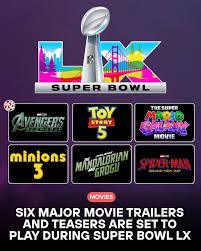
Superbowl trailers have become a high-profile moment in the annual advertising and entertainment calendar. With millions of viewers tuning in to the Super Bowl broadcast and many more engaging online, trailers shown around the game offer studios and brands a rare opportunity to reach a large, captive audience. The topic is important because these short spots can shape public awareness of films, streaming series and major product launches, influence box-office performance and generate wider social media conversation.
Main details
What superbowl trailers aim to achieve
Broadly, superbowl trailers are designed to create immediate impact. They typically distil a film or series into a short, memorable sequence—often 30 to 60 seconds—that showcases star power, tone and a compelling hook. For brands, similar spots aim to combine product placement and storytelling to build brand salience. The shared objective is to convert a brief broadcast moment into sustained interest across traditional and digital channels.
Release strategies and amplification
Studios and advertisers generally coordinate broadcast placement with pre- and post-game digital releases. A trailer might debut in a specific ad break and then be posted on social platforms and video sites in extended or alternate edits. This approach leverages both the real-time viewing audience and the longer tail of online sharing. Social amplification—through influencers, fan communities and news coverage—turns a one-off spot into hours or days of conversation.
Creative trends
Recent trends include surprise cameos, film mash-ups, and teasers that intentionally withhold key plot details to drive curiosity. Trailers for major franchises and streaming premieres often use the Super Bowl window for maximum visibility, while some brands use humour or emotion to create a memorable moment that viewers will discuss after the game.
Conclusion
Superbowl trailers remain a strategic tool for studios and advertisers seeking wide reach and cultural impact. While the cost and competition for attention are high, the payoff can be significant when a trailer succeeds in sparking social buzz and driving viewership. Looking ahead, expect continued integration between broadcast premieres and digital follow-ups, with creativity and shareability determining which spots gain traction beyond the game itself.