

How Newspaper Headlines Shape Public Understanding
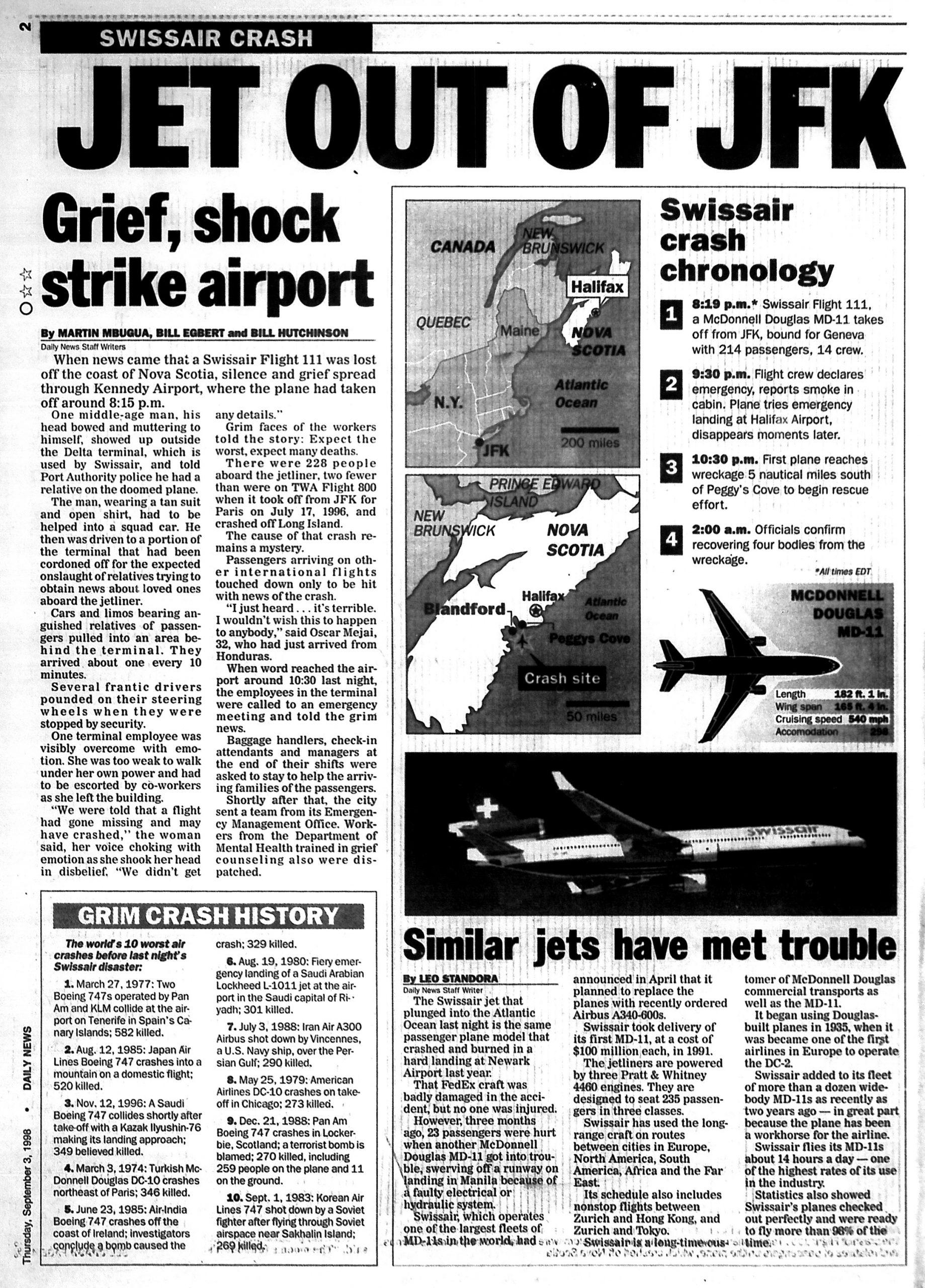
Introduction: Why newspaper headlines matter
Newspaper headlines are often a reader’s first — and sometimes only — encounter with a news story. They distil complex events into a concise phrase, guiding attention, framing interpretation and influencing whether someone reads further. Understanding how newspaper headlines are crafted and how they operate is important for anyone seeking accurate information in a crowded media environment.
Main body
Purpose and structure
At their core, newspaper headlines serve three purposes: to summarise, to attract and to orient the reader. Typical structures include the main headline (a short, attention-grabbing line) and a subhead or deck that adds context. Strong headlines balance brevity with clarity, signalling the story’s subject and tone without misleading the reader.
Techniques and editorial choices
Editors use a range of techniques when writing newspaper headlines: active verbs, puns, alliteration and omission of small words to save space. Choices about what to emphasise — a person, a place, an outcome — shape the reader’s takeaway. Ethical journalism requires headlines to accurately reflect the article’s content; when headlines overstate, oversimplify or sensationalise, they can distort public understanding.
The digital shift and search optimisation
Digital distribution has changed how newspaper headlines are written. Search engine optimisation (SEO), social sharing and mobile display constraints encourage headlines that perform well online. That can improve discoverability but also encourages click-driven language. Social platforms further amplify headlines, sometimes separating them from the full context of the story.
How to read headlines critically
Readers can improve media literacy by treating newspaper headlines as an entry point rather than a full account. Simple checks help: read the full article, note the publication and author, check for supporting facts and consider alternative sources. Be cautious of emotionally loaded language or headlines that promise definitive conclusions without evidence.
Conclusion: Significance and outlook
Newspaper headlines will remain central to how news is consumed, even as formats evolve. The challenge for publishers and readers alike is to preserve clarity and accuracy amid pressures for immediate engagement. Going forward, headlines may become more personalised and data-driven, but their value will continue to rest on honest signalling of the story beneath the line.