

BBC Newsround: Making the News Make Sense for Children
Introduction: Why BBC Newsround matters
bbc newsround is a long-running BBC service aimed at helping children and young people understand current events. Its mission, summed up as “making the news make sense”, addresses both civic awareness and emotional wellbeing by offering age-appropriate reporting and advice for those upset by the news. In an era of multiplatform media, Newsround’s mix of television bulletins, online resources and social channels keeps its relevance for young audiences and caregivers.
Main body: History, services and digital presence
Origins and broadcast history
Newsround traces its modern start to 4 April 1972 when, after an eleven year gap in children’s news, “Craven’s News Round” was broadcast live on BBC One Colour at 17:20. The programme began with a small team, two typewriters and what presenter John Craven later described as a panicked director in the transmission gallery. Its roots are part of a longer tradition of children’s news dating back to the earlier “Children’s Newsreel” in April 1950.
Programming and support resources
As well as daily bulletins (available on BBC iPlayer), Newsround offers guidance such as “Advice if you’re upset by the news” and encourages audience participation through website votes and interactive features. The editorial ranges from serious coverage to lighter themes, with curated strands such as “Happy News” (for example stories about giant pandas, LEGO art and moments of magic) and “Strange News” (including playful items like a Santa dance-off or diving chess).
Social platforms and reach
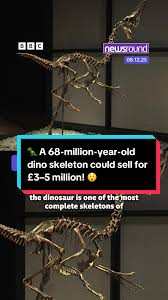
Newsround has extended beyond broadcast into social media to meet young audiences where they spend time. Its TikTok account, @bbcnewsround, lists 135K followers and 3.5M likes, showcasing short videos and accessible explainers that reflect the programme’s tagline and broaden its reach.
Conclusion: Significance and outlook
bbc newsround remains significant for its dual role: explaining current affairs in a child-friendly way and providing emotional support resources. Its evolution from a small 1972 production to a multi-platform presence illustrates how children’s news adapts to changing media habits. Looking ahead, continued use of digital channels like TikTok alongside traditional bulletins suggests Newsround will keep shaping media literacy for younger audiences while remaining a trusted gateway to the news.