

The Guardian UK: History, Digital Transition and Future Outlook
Introduction
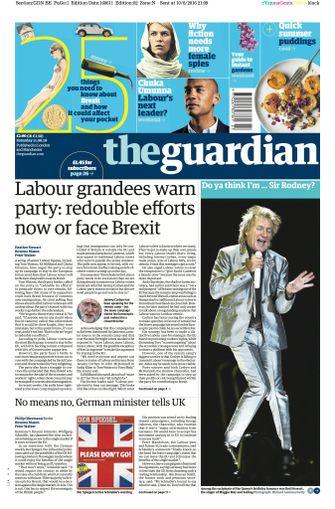
The Guardian UK is one of the United Kingdom’s most recognised national newspapers, with a long history in British public life and a significant global digital presence. Coverage from its newsrooms influences public debate on politics, culture and public interest issues, making its operations and business choices relevant to readers, policymakers and media observers alike.
Main body
Origins and editorial independence
Founded as The Manchester Guardian in 1821, the title later became The Guardian and moved its principal operations to London. It is owned by the Scott Trust, a structure created to secure the paper’s editorial independence. Over two centuries the Guardian has established a reputation for investigative reporting, comment and analysis across domestic and international affairs.
Digital transformation and reach
Like many legacy newspapers, The Guardian has undergone a marked shift from print to digital. Its online editions reach a global audience, with tailored content and editorial teams serving UK, US and international readers. Investment in multimedia journalism — including podcasts, video and data visualisations — has been central to maintaining audience engagement in an increasingly digital news environment.
Business model and sustainability
Responding to changes in advertising revenues, the Guardian moved in the 2010s towards a reader-funded approach that emphasises voluntary contributions, memberships and subscriptions for certain products. This strategy aims to secure financial sustainability while preserving open access to much of its journalism. The paper continues to balance public-interest reporting with efforts to diversify revenue.
Editorial stance and public role
The Guardian is generally regarded as having a centre-left editorial stance and frequently focuses on issues such as social justice, civil liberties and environmental concerns. Its investigative work and commentary often shape policy discussions and public awareness on topics of national importance.
Conclusion
As the Guardian UK navigates the wider challenges facing news media, its continued emphasis on digital growth, reader support and investigative journalism will determine its future influence. For readers, the paper’s evolution matters both for access to public-interest reporting and for the wider health of a diverse media landscape in the UK and beyond.