

The End of an Era: MTV Shuts Down Remaining Music Channels After 44 Years
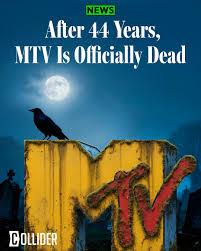
Historic Closure Marks Transformation of Music Television
MTV’s last remaining 24-hour music channels are scheduled to go dark after 31 December 2025, bringing to a close a transformative 44-year chapter in music broadcasting history. This momentous decision affects viewers globally and represents the final transition away from MTV’s original mission as a music-first network.
This cost-saving move was announced in October as a part of Paramount’s merger with Skydance, with MTV Music, MTV 80s, MTV 90s, Club MTV, and MTV Live ceasing operations on 31 December. The channels affected span multiple regions, including Australia, Poland, France, and Brazil.
Why MTV Is Closing Its Music Channels
The closure reflects profound shifts in how audiences consume music content. Today’s audiences favour YouTube, TikTok, and streaming platforms to discover and enjoy music, whilst in the UK, MTV’s viewership has dropped sharply — MTV Music averaged around 1.3 million viewers, while MTV 90s drew roughly 950,000.
Paramount is under financial pressure to streamline operations and reduce costs by up to $500 million across its global portfolio, having earlier in 2025 shuttered Paramount Television Studios and cancelled several MTV productions. The company is pivoting towards digital platforms and streaming services to align with modern viewing habits.
What Remains of MTV
It’s important to note that MTV is not disappearing entirely. The flagship channel will still exist from 1 January 2026, but there will be notable deletions in the number of MTV music-only stations. The main MTV channel will continue, with its programming shift focusing on reality series and pop culture coverage.
MTV Music — which launched in 2011 — notably ended its run by airing the Buggles’ ‘Video Killed the Radio Star,’ the first visual to air when MTV launched in the United States in 1981. This poignant choice symbolises the network’s journey from revolutionary music broadcaster to entertainment brand.
Cultural Significance and Legacy
Launched in 1981, MTV revolutionised how audiences experienced music by transforming songs into visual storytelling and reshaping the music industry, whilst its music-only channels preserved the original MTV format for decades.
For millions of viewers worldwide, this closure represents more than a business decision—it marks the definitive end of music television as a cultural force. The shift underscores how streaming platforms and social media have fundamentally transformed music discovery and consumption, replacing scheduled programming with on-demand, personalised experiences. As MTV adapts to survive in this digital-first landscape, its legacy as the pioneer that once defined a generation remains indelible.