

F-22 Raptor: The US Air Superiority Fighter in Focus
Introduction: Why the F-22 Raptor matters
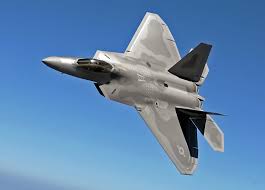
The F-22 Raptor is widely regarded as a defining platform for modern air superiority. Its combination of stealth, onboard sensors and high-speed performance gives it strategic significance for air forces and defence planners. As geopolitical tensions and advanced air threats rise, understanding the role and status of the F-22 is increasingly relevant for policymakers, defence analysts and the public.
Capabilities and strategic role
Designed primarily for air dominance, the F-22 blends low observability with advanced avionics and powerful engines that enable sustained supersonic flight without afterburner, often referred to as “supercruise.” Its integrated sensor systems and data links allow pilots to detect, track and engage threats at extended ranges, while thrust-vectoring controls enhance manoeuvrability. These traits make the aircraft well suited to gaining and maintaining control of contested airspace and to supporting broader joint operations.
Service history and current status
Developed by Lockheed Martin with partner Boeing, the F-22 entered service with the United States Air Force in the mid-2000s. Production was limited and subsequently concluded, leaving the USAF with a relatively small, elite fleet. The United States restricts export of the F-22 by law, meaning it operates solely with the USAF. Since entering service the type has undergone iterative upgrades to avionics, communications and mission systems to address evolving threats and maintain operational relevance.
Modernisation and operational use
Maintaining a cutting-edge capability requires ongoing software and hardware modernisation. The programme has prioritised improvements in sensor fusion, survivability and interoperability with other platforms. Operational deployments have emphasised training, integration with allied forces and readiness for high-end scenarios rather than large-scale attrition operations, reflecting both the platform’s strategic purpose and its limited numbers.
Conclusion: Outlook and significance
The F-22 Raptor will continue to play a central role in US air superiority for the foreseeable future, supported by incremental modernisation and careful fleet management. Its unique mix of stealth, speed and sensors keeps it relevant against advanced threats, but its limited production and export restrictions mean planners must balance investment in the type with broader force structure and allied cooperation. For readers, the F-22 exemplifies how high-end combat aircraft shape deterrence and airpower strategy in an era of renewed great-power competition.