

Understanding Weapons: Roles, Regulation and Future Trends
Introduction: Why weapons matter
Weapons are tools that can alter the balance of security, politics and daily life. Their significance spans defence, law enforcement, deterrence and criminal activity. Understanding the categories, governance and evolving technologies associated with weapons is important for policymakers, professionals and the public because decisions about their use and control affect safety, international relations and civil liberties.
Main body: Types, governance and developments
Categories and use
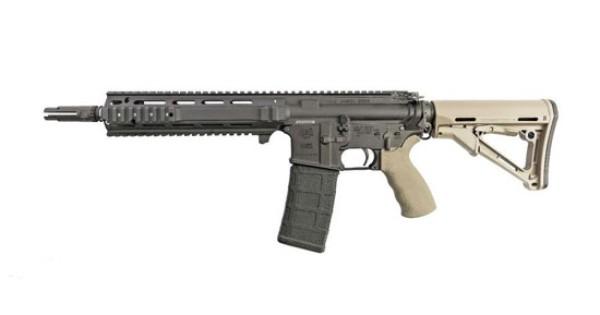
Broadly, weapons include conventional arms used by militaries and police, personal weapons in civilian contexts, and emerging classes such as unmanned systems and cyber-enabled capabilities. Each category presents different operational, ethical and legal considerations. Conventional firearms are central to many debates on public safety and ownership; military systems are tied to national defence postures; while novel technologies raise questions about oversight and accountability.
Regulation and oversight
Governance of weapons occurs at multiple levels. National laws set standards for possession, transfer and use, while international agreements address cross-border trade, proliferation and use in armed conflict. Regulatory frameworks seek to balance legitimate security needs with measures to prevent misuse, illicit trafficking and escalation. Oversight mechanisms typically include licensing, reporting requirements and enforcement by criminal justice authorities.
Technology and trends
Technological advances are reshaping the weapons landscape. Automation, precision-guided systems and remotely operated platforms are altering capabilities and operational risks. At the same time, developments in information technologies create new vectors for harm, such as cyber-enabled disruption of critical systems. These changes prompt ongoing discussion about standards, testing, and the ethical implications of delegating force to machines.
Conclusion: Implications and outlook
Weapons will remain a central factor in security and public policy. Continued attention to transparent regulation, international cooperation and risk assessment is likely to influence how societies manage both longstanding and emerging threats. For readers, understanding the broad categories and governance issues can help inform debate and individual choices related to safety, advocacy and civic engagement.