

General James Cartwright: A Distinguished Military Leader Embraces the AI Revolution
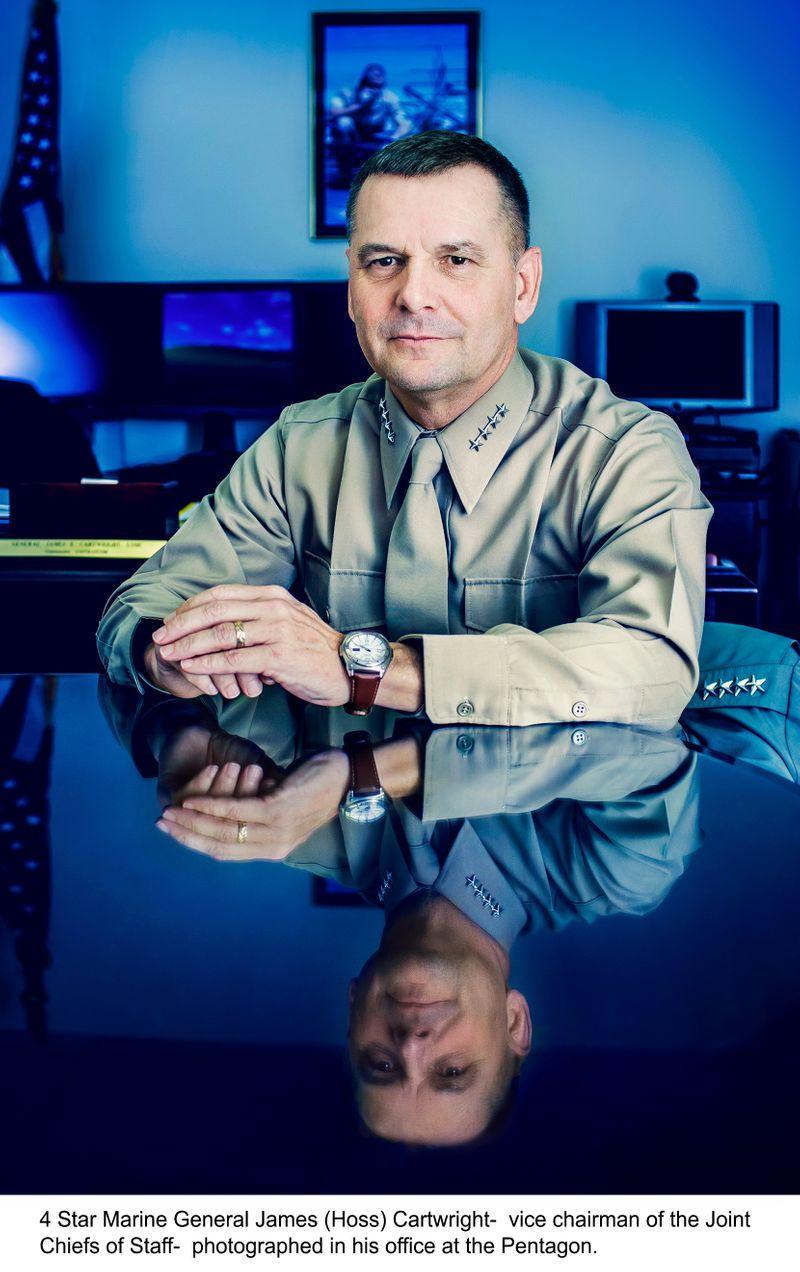
Introduction: A Military Visionary Steps into the AI Era
General James E. Cartwright, who served as the eighth Vice Chairman of the Joint Chiefs of Staff during a distinguished 40-year career in the United States Marine Corps, has recently joined Latent AI as a Strategic Advisor, bringing his renowned technical acumen and strategic foresight to the company. This appointment, announced in January 2025, underscores the growing importance of artificial intelligence in modern defence strategy and highlights Cartwright’s continued influence in shaping national security in the digital age.
The significance of this move extends beyond a single appointment. Cartwright previously served as Commander of U.S. Strategic Command from 2004 to 2007, before his tenure as Vice Chairman from August 2007 to August 2011. Throughout his career, he became widely recognised for his ability to integrate advanced technologies into military operations, making him an ideal figure to guide the development of AI solutions for defence applications.
A Legacy of Innovation and Strategic Leadership
As head of U.S. Strategic Command and Vice Chairman of the Joint Chiefs of Staff, General Cartwright pioneered the integration of advanced technologies into national security strategy, with his ability to fuse complex systems with operational realities accelerating innovation in cybersecurity, data analytics, and command-and-control. His leadership spanned two presidential administrations, during which he championed modernisation efforts that have left a lasting impact on military capabilities.
“General Cartwright’s unparalleled experience and strategic vision will be invaluable in guiding the development and deployment of secure and adaptable AI solutions that empower our warfighters on the front lines,” said Jags Kandasamy, Latent AI CEO and Co-Founder. The company’s focus on edge AI technology aligns perfectly with Cartwright’s vision of integrating cutting-edge capabilities into military operations.
Beyond his recent advisory role, General Cartwright currently serves on the Board of Governors for Wesley Theological Seminary, the Boards of Directors for IP3 Security Corporation and Beyond Aerospace, and is co-chair for the Global Zero Nuclear Crisis Group. He is also affiliated with numerous professional organisations including the Aspen Strategy Group, The Atlantic Council, Council on Foreign Relations, Global Zero, and the Nuclear Threat Initiative.
Significance for Defence and Technology
General Cartwright’s involvement with Latent AI represents a broader trend of senior military leaders lending their expertise to technology companies developing solutions for national security challenges. His appointment comes at a critical time when artificial intelligence is reshaping military doctrine and capabilities worldwide. The general’s experience in strategic deterrence, nuclear proliferation, missile defence, and cybersecurity positions him uniquely to guide AI development in ways that serve both operational effectiveness and strategic stability.
The general has co-authored groundbreaking papers with Latent AI’s leadership, including a publication by the Atlantic Council on how AI can revolutionise joint operations. This intellectual contribution demonstrates his continued engagement with emerging defence challenges and his commitment to ensuring that technological advancement serves strategic objectives.
Conclusion: Shaping the Future of Military AI
General James Cartwright’s transition from active military service to technology advisory roles exemplifies the evolving relationship between defence and the private sector in the 21st century. His appointment at Latent AI signals growing recognition that artificial intelligence will be fundamental to future military operations, requiring guidance from leaders who understand both technology and strategy. As nations worldwide invest heavily in military AI capabilities, figures like Cartwright play crucial roles in ensuring these technologies are developed responsibly, deployed effectively, and aligned with broader national security objectives. His continued influence in defence circles, combined with his technical expertise, positions him as a key voice in shaping how AI transforms modern warfare and strategic competition.