

The B-1 Lancer (B1 bomber): Capabilities and Modernisation
Introduction
The b1 bomber, formally the B-1B Lancer and nicknamed the “Bone”, is a cornerstone of the United States Air Force’s long-range conventional strike force. Its combination of speed, range and payload capacity makes it relevant to contemporary operations and to planned force structures through 2040 and beyond. Understanding the B-1B’s capabilities and ongoing modernisation helps readers grasp how legacy platforms are sustained to meet present and future operational demands.
Main body
Design and capabilities
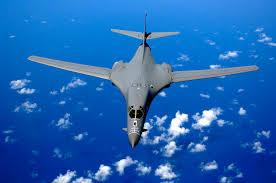
The B-1B is a supersonic, variable-sweep wing heavy bomber with a blended wing/body configuration and turbofan afterburning engines that deliver long range, high speed and manoeuvrability. It remains the fastest bomber in the USAF inventory and was built for rapid long-range response. The aircraft can carry up to 75,000 pounds (34,019 kilograms) of mixed ordnance and mission equipment, the largest payload of both guided and unguided weapons in the Air Force inventory.
Survivability and systems
Survivability features include a low radar cross-section, an onboard radar targeting system, long loiter time, and a suite of self-protection equipment. These include the ALQ-161 radar warning receiver, expendable countermeasures (chaff and flare), and a towed decoy system (ALE-50). Together these systems support penetration of hostile airspace as part of joint or composite strike forces.
Modernisation and sustainment
Since transitioning to an exclusively conventional role in the mid-1990s, the B-1B has been sustained through ongoing modernisation and sustainment programmes. Boeing partners with the Air Force to maintain fleet readiness, delivering upgrades such as the Boeing Integrated Battle Station and modular weapons pylons to keep the aircraft operationally relevant at demanding tempos. Recent efforts aim to sustain the fleet to operate through 2040 and beyond.
Operational history
The B-1B has demonstrated heavy combat utility: in 1999, six B-1s delivered more than 20% of the ordnance in Operation Allied Force while flying under 2% of combat sorties. During the first six months of Operation Enduring Freedom, eight B-1s dropped nearly 40% of the total tonnage delivered by coalition air forces. Fleet adjustments have occurred over time; after retirements in 2003 the USAF returned seven mothballed aircraft in 2004 to increase the active fleet to 67 aircraft.
Conclusion
The B-1B Lancer remains a high-capacity, flexible conventional bomber whose combination of payload, speed and survivability keeps it central to long-range strike planning. With continued modernisation and sustainment partnerships, notably with Boeing, the b1 bomber is positioned to meet demanding operational tempos and to remain a decisive element of strike forces into the coming decades.