

How shahed drones are reshaping modern air-defence and warfare
Introduction: Why shahed drones matter
Shahed drones have emerged as a central element in contemporary conflicts, notable for their low cost, simple design and mass-production potential. Their use by Iran and Russia to overwhelm air defences has strategic and economic implications for states from Ukraine to the Gulf and beyond. Understanding their manufacture, deployment and the defensive responses they force is vital for policymakers and the public.
Main body: Manufacture, deployment and impact
Origins and variants
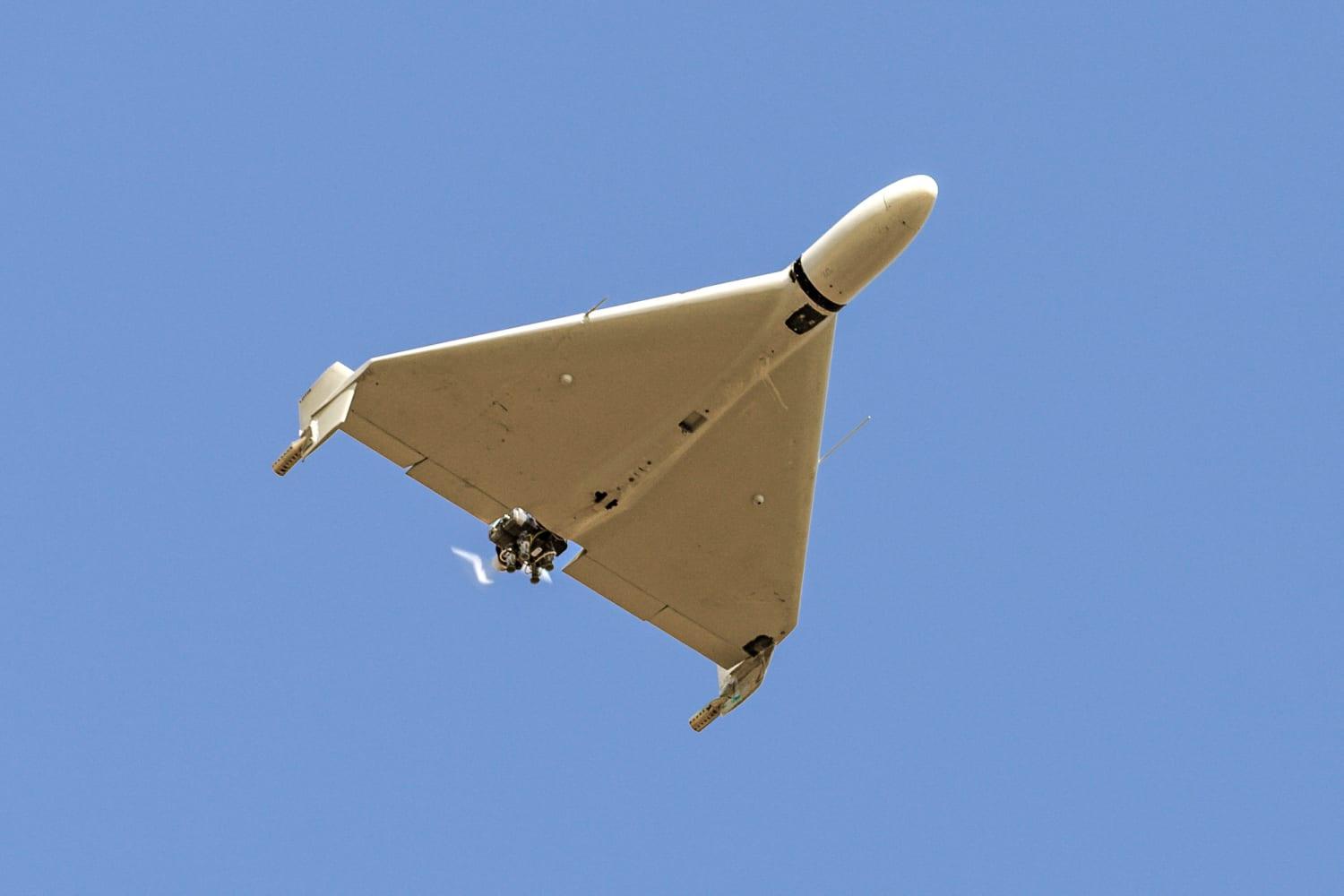
Shahed drones are manufactured in Iran and, increasingly, in Russia, with Russian variants building on Iranian plans. In Ukraine, many of the drones used by Russia are recognised by their wing design as Geran-2 aircraft, widely considered to be redesignated Iranian-made Shahed 136s. Some Geran-2 wings were reportedly inscribed with “M412 Герань-2” as an attempt to disguise Iran’s role in the campaign.
Reports on production methods
In July 2025 multiple reports, including a documentary by the Russian defence ministry channel Zvezda, indicated that Russia used children and teenagers to assemble Shahed drones deployed against Ukraine. Such reports have raised ethical, legal and security concerns about labour practices in arms production.
Operational effects and cost asymmetry
Analysts describe Shahed drones as cheap, effective and battle-tested. Iran has relied on them to probe and penetrate U.S. defences and to mount mass attacks on Gulf states. United Arab Emirates defence data show Iran launched hundreds of Shahed drones at the UAE, with just over 90% intercepted. Calculations by Grieco cited in reporting indicate a stark cost asymmetry: roughly $1 to produce a Shahed versus $20–$28 to intercept it, creating economic pressure on defending states.
Drone saturation and defence needs
Russia’s use of inexpensive Shahed drones in Ukraine illustrates a saturation tactic intended to erode air defences and civilian morale through persistent attacks. Experts argue this trend requires layered, cost-effective defences — including high-energy lasers and electronic warfare — and efforts to cut the supply of components used to mass-produce attack drones.
Conclusion: Significance and outlook
Shahed drones represent a shift toward attrition-style tactics that exploit cost imbalances and mass production. Without additional support for layered air-defence systems and measures to disrupt component supply chains, analysts warn these campaigns could advantage aggressors. For readers, the key takeaway is the growing need for adaptable, affordable defence solutions and coordinated policy responses to limit the strategic impact of low-cost, mass-produced UAVs.