

B-1 Lancer (b1 bomber): Role, Capabilities and Service
Introduction
The b1 bomber, officially the B-1 Lancer and nicknamed the “Bone”, remains a central element of US Air Force long-range strike capability. Its combination of range, payload and speed has kept it relevant since the mid-1980s, and ongoing sustainment and modernisation efforts aim to preserve its operational value through the 2040s and beyond. Understanding the B-1’s capabilities and recent developments is important for assessing contemporary strike planning and bomber force posture.
Main body
Design and performance
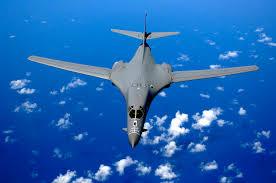
The B-1 is a variable-sweep wing, heavy bomber powered by four turbofan engines. It first flew in 1984 and entered service in the mid-1980s, with sources citing service entry around 1985–86. Designed for low-level penetration of defended airspace, the B-1B can descend to about 200 feet (60 metres) and sustain high subsonic speeds near Mach 0.9, roughly 670 mph (1,080 km/h). Boeing describes the B-1B as the fastest bomber in the US inventory and emphasises its long-range, rapid response characteristics.
Payload and mission
The B-1B is built to deliver high-volume precision strike effects. It can carry up to 75,000 pounds (34,019 kilograms) of mixed ordnance and mission equipment, enabling a variety of conventional strike roles. Following a policy shift in the mid-1990s, the fleet transitioned to an exclusively conventional role. The platform has also been tested for maritime and anti-ship missions and evaluated with modular weapons pylons to enhance flexibility.
Operational history and sustainment
Operational decisions in the early 2000s led to the retirement of a number of airframes; in 2003 the USAF retired 33 aircraft but later returned several to service, increasing the fleet to around 67 aircraft. Boeing and the Air Force continue partnership work on sustainment and modernisation programmes to maintain fleet readiness. Recent milestones include deliveries of B-1s equipped with integrated battle management systems and ongoing upgrades intended to keep the platform operationally relevant.
Conclusion
The B-1 Lancer remains a capable conventional bomber with unique payload and speed characteristics. Continued modernisation and sustainment aim to keep the b1 bomber mission-capable at demanding tempos into the 2040s. For defence planners and observers, the B-1’s evolving role and upgrades will be key indicators of how long-range strike forces adapt to emerging operational requirements.