

Dutch Navy Frigate Successfully Completes Advanced Drone Swarm Defence Training
NATO’s First International Anti-Drone Training Exercise
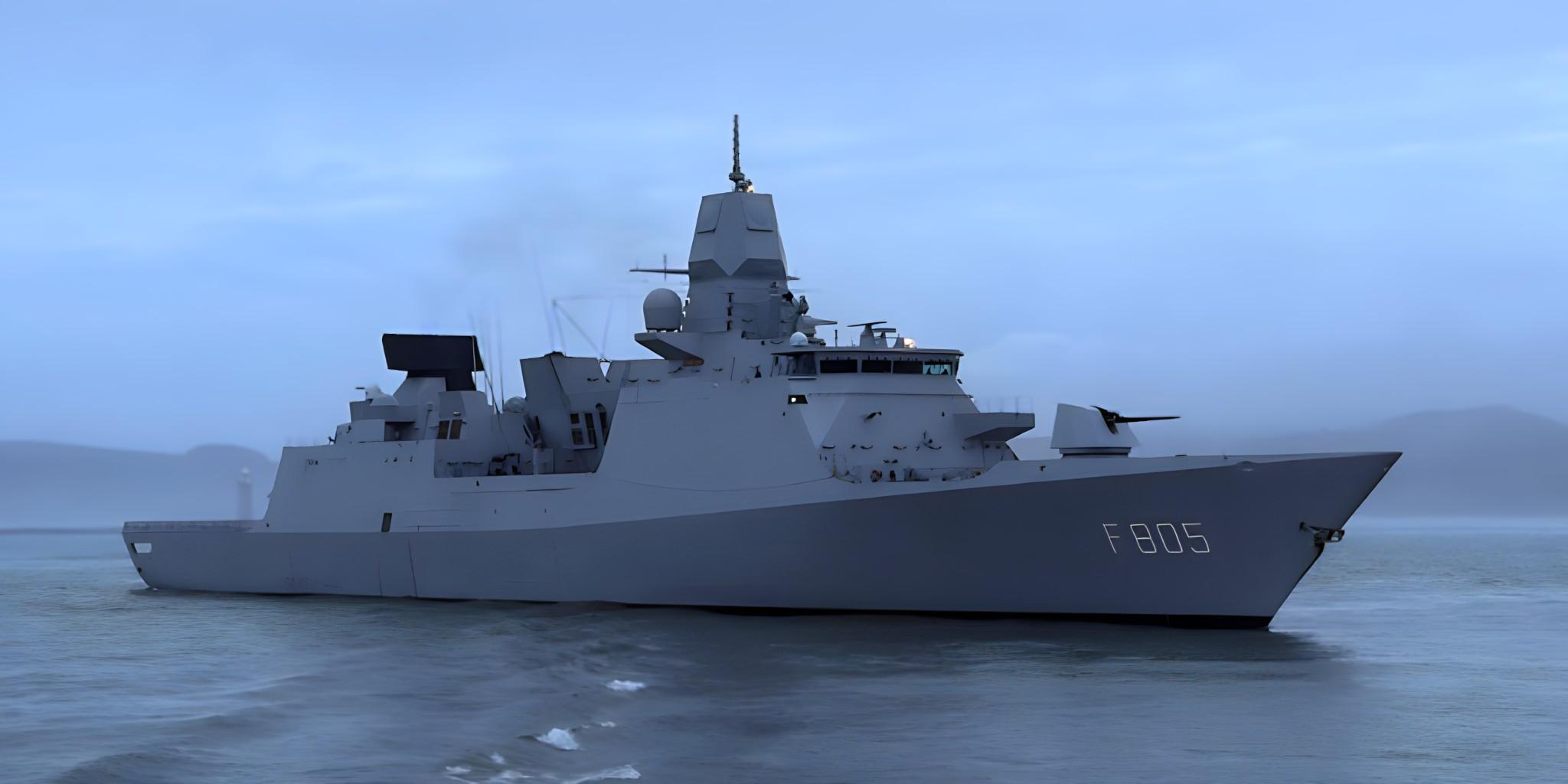
The Royal Netherlands Navy has completed a three-day live-fire air and surface defence exercise with HNLMS Evertsen off the Welsh coast, becoming the first NATO ally to participate in Exercise Sharpshooter. Exercise Sharpshooter, a QinetiQ-run training series, blends live and synthetic threats to simulate complex swarm attacks. This significant milestone underscores the growing importance of international cooperation as navies worldwide adapt to emerging threats from unmanned systems.
Intensive Live-Fire Operations Off Welsh Coast
The Dutch air-defence frigate HNLMS Evertsen spent three days operating 20 miles off the Welsh coast, where it tracked and neutralised a mix of aerial and surface targets. The exercise at MOD Aberporth combined live Banshee Whirlwind aerial targets, Hammerhead unmanned surface vehicles, and virtual threats representing cruise missiles, ballistic missiles and hostile aircraft. HNLMS Evertsen engaged five aerial drones and sank two Hammerhead surface targets during the training.
Testing Advanced Defence Capabilities
Inzpire, a QinetiQ-owned company, designed the threat scenarios to replicate defending critical assets under contested conditions. Dutch Navy officials confirmed that the engagements tested the full layered defence concept of the ship, combining radar cueing, command-and-control decision-making, and coordinated weapons employment. The exercise provided invaluable experience in managing multiple simultaneous threats in realistic combat conditions.
Significance for NATO Readiness
“With interoperability between nations more important than ever, these exercises give the UK and its allies the opportunity to train alongside each other, sharing tactics and learnings to improve readiness,” according to Will Blamey, chief executive for UK Defence at QinetiQ. The milestone highlights growing allied integration as navies adapt to the rising threat from unmanned systems and complex, multi-directional attacks. As drone warfare becomes increasingly prevalent in modern conflicts, such training exercises are essential for maintaining NATO’s defensive capabilities and ensuring allied forces can respond effectively to evolving maritime threats.