

Toto Wolff: The Architect Behind Mercedes F1 Success
Introduction
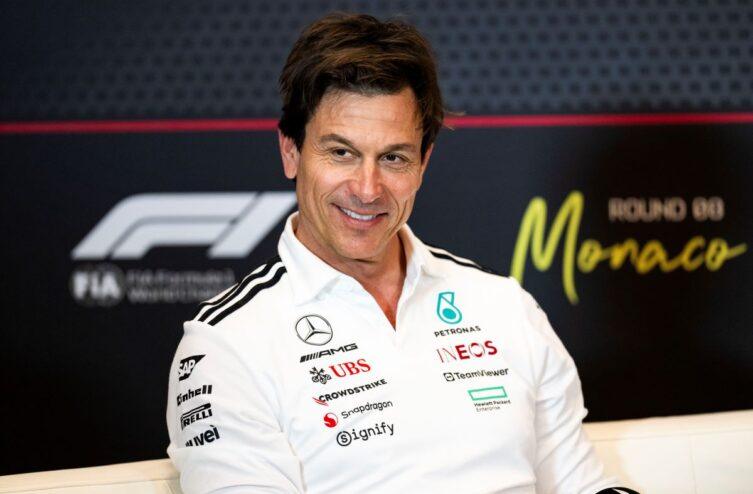
Toto Wolff, the Austrian motorsport executive, has been at the forefront of Formula 1 since taking the reins of the Mercedes-AMG Petronas F1 Team in 2013. His leadership has not only propelled the team to unprecedented success but has also influenced the wider landscape of motor racing. Understanding his role and impact in Formula 1 is critical for fans and stakeholders alike, particularly as the sport continues to evolve in the face of new challenges and opportunities.
The Rise of Toto Wolff
Born on January 12, 1972, in Vienna, Austria, Wolff’s journey in motorsports began with his involvement in racing, where he competed in various championships. However, his foray into management began when he founded his own investment company, which led him to invest in motorsport teams and later co-own the Williams F1 team. His critical move to Mercedes was a turning point not only for him but for the entire team, as he began to implement strategies that would lead Mercedes to claim consecutive Constructors’ Championships from 2014 to present.
Achievements and Influence
Under Wolff’s stewardship, Mercedes has dominated Formula 1, achieving eight consecutive Constructors’ Championships from 2014 to 2021 and developing a formidable driver line-up that includes stars like Lewis Hamilton and George Russell. Wolff’s vision extends beyond just winning; he has fostered an environment of innovation and resilience, navigating the team through challenges such as regulatory changes and increased competition from rival teams like Red Bull and Ferrari. His analytical approach, coupled with an emphasis on data-driven decision-making, has set a new standard in team management.
Current Challenges and Future Outlook
As the 2023 Formula 1 season unfolds, Wolff faces new challenges as the sport adapts to more stringent regulations and the evolving landscape brought on by electric vehicle technologies. The introduction of new technical regulations and cost caps is reshaping how teams operate, requiring Wolff to stay ahead of the curve. His focus remains on refining Mercedes’ performance while also prioritising sustainability—a significant theme in modern motorsport.
Conclusion
Toto Wolff’s impact on Formula 1 is monumental, and his vision continues to shape the trajectory of the sport. As fans and experts watch closely, his strategies and innovations will not only influence Mercedes but could also set benchmarks that affect the future of racing globally. For followers of Formula 1, keeping an eye on Wolff’s developments will be crucial as the sport enters a new era of competition and sustainability.