

F1 Qualifying Time: Understanding Formula 1’s High-Stakes Session
Why F1 Qualifying Time Matters
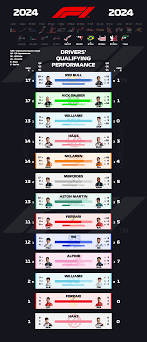
Qualifying in Formula 1 determines the starting order for the race, making it a vital piece of the grand prix puzzle. The qualifying session transforms weekend drama into grid positions, where mere hundredths of a second can make all the difference. For fans and teams alike, understanding qualifying times is essential to appreciating the sport’s competitive edge.
The Three-Stage Knockout Format
The format consists of three qualifying sessions, known as Q1, Q2, and Q3, which take place on the Saturday of a race weekend. The first qualifying session, Q1, lasts for 18 minutes, and all drivers are allowed to participate. Q2 is a 15-minute session with the remaining 15 drivers, where the slowest five are once again eliminated. The final session, Q3, is a 12-minute sprint involving the top 10 drivers.
F1 uses a knockout format whereby the first two parts of qualifying progressively cut the field down from 20 to 10 drivers for the pole position shootout in Q3. Q1 eliminates the five slowest drivers and their laptimes set the positions for the grid from 16th to 20th. This progressive elimination creates mounting pressure as only the fastest advance.
Recent Developments and Schedule
The 2024 season has showcased qualifying’s importance at every circuit. The qualifying for the F1 Abu Dhabi GP starts today, Saturday, December 7, at 14:00 GMT. This final qualifying session of the season highlights the ongoing battle for constructors’ championship points, with McLaren and Ferrari battling it out for the top spot in qualifying, as they each look to secure the constructors’ title in Abu Dhabi.
The 107% Rule and Strategic Considerations
The rule says that a driver must set a lap time within 107% of the fastest time in the first qualifying session (Q1). If they fail to do so, they won’t be eligible to participate in the race. This regulation ensures competitive standards while teams must manage their tire allocation carefully. They only have 20 tire sets to use throughout the race weekend, and their tire choices in qualifying can significantly impact their race strategy.
Significance for Race Day
Qualifying times directly translate to Sunday’s starting grid, making them crucial for race outcomes. While securing a pole position isn’t a sure-fire way to win a race, as weather, strategies, and accidents can all shake things up, it’s especially important on tracks where overtaking is nearly impossible. The session combines raw speed with strategic thinking, as on average, a driver drives about two fast laps per qualifying section (Q1, Q2 and Q3). This precision-focused approach makes qualifying an unmissable spectacle that sets the stage for Grand Prix drama.