

Willie Colón: Bronx Trombonist Who Shaped Salsa
Introduction: Why Willie Colón Matters
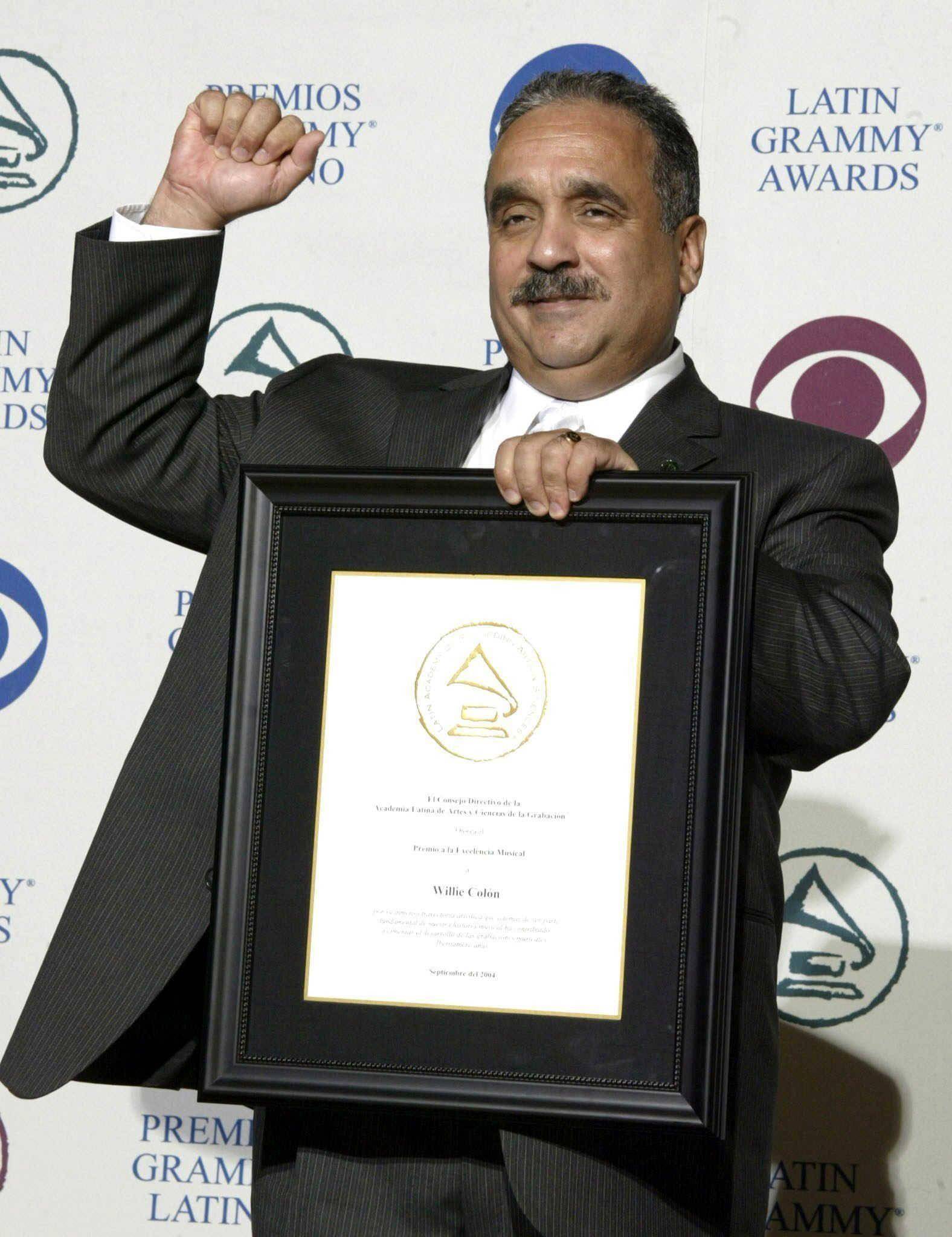
Willie Colón remains one of the most influential figures in the history of salsa. Born to Puerto Rican parents in the Bronx in 1950, he rose from local neighbourhood bands to international prominence as a trombonist, bandleader, composer and producer. His work during the late 1960s and 1970s — especially with Fania Records and vocal partners such as Héctor Lavoe and Rubén Blades — helped define the sound and social reach of salsa music. Understanding Colón’s career is important for readers interested in music history, diasporic culture and the evolution of Latin popular music.
Main body: Career, Collaborations and Impact
Early career and breakthrough
Colón first gained attention in New York’s vibrant Latin music scene, combining hard-hitting trombone arrangements with streetwise imagery and storytelling. His early albums blended Afro-Caribbean rhythms with urban realism, allowing salsa to resonate with wider audiences. Records such as those released through Fania contributed to a new musical identity for New York’s Puerto Rican community and beyond.
Key collaborations
Partnerships were central to Colón’s influence. His collaboration with singer Héctor Lavoe produced a string of classic recordings that remain staples of the genre. Later work with songwriter and singer Rubén Blades — notably on landmark projects that merged thoughtful lyricism with danceable arrangements — further broadened the reach of salsa into political and cultural commentary.
Role as producer and cultural figure
Beyond performing, Colón produced, arranged and mentored younger artists, helping to professionalise the scene and bring salsa to international stages. He was a prominent member of the Fania All-Stars, an ensemble that toured widely and showcased the genre to global audiences. Colón’s public profile also extended into activism and cultural advocacy, where his background informed his artistic choices.
Conclusion: Legacy and Future Significance
Willie Colón’s contributions endure in recordings, in the continuing popularity of salsa and in the musicians who cite him as an influence. For contemporary listeners and musicians, his work offers a template for blending musical innovation with cultural storytelling. Looking ahead, archival releases, new generations of performers and ongoing scholarly interest are likely to keep his legacy alive, ensuring that Colón’s role in shaping Latin music remains recognised and studied.