

Charli XCX: From Pop Breakthrough to Hyperpop Pioneer
Introduction: Why Charli XCX matters
Charli XCX has become a defining figure in 21st‑century pop, notable for blending mainstream hooks with experimental production. For listeners and industry observers, her trajectory highlights how artists can move between commercial success and avant‑pop innovation, influencing the sound of contemporary pop and the emergence of hyperpop as a recognised movement.
Main developments and context
Career highlights
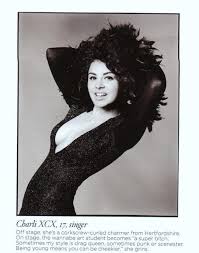
Charlotte Aitchison, known professionally as Charli XCX, rose to wider attention in the early 2010s. She is credited as a co‑writer on the 2012 hit “I Love It” (Icona Pop) and scored commercial success with singles such as “Boom Clap”. Her early studio albums, including True Romance (2013) and Sucker (2014), established her as both a songwriter for others and a solo artist capable of mainstream pop appeal.
Experimental phase and collaborative projects
From the mid‑2010s Charli XCX moved into more experimental territory. Releases such as the Vroom Vroom EP (2016) and the mixtapes Number 1 Angel and Pop 2 (both 2017) saw her working closely with producers associated with the PC Music scene and with SOPHIE, helping to popularise a sharper, futurist pop aesthetic. These projects were widely discussed for pushing production boundaries and for fostering a new generation of producers and collaborators.
Recent creative shifts
Her later albums, including Charli (2019) and the pandemic‑era How I’m Feeling Now (2020), demonstrated adaptability — alternating between highly collaborative records and intimate, immediate work. Crash (2022) returned her to a more overtly pop sound while still retaining the risk‑taking spirit that has characterised her career.
Conclusion: Significance and outlook
Charli XCX’s blend of songwriting, pop sensibility and experimental collaboration has made her a touchstone for artists exploring the edges of mainstream music. For listeners, her catalogue offers both radio‑friendly songs and inventive productions. Looking ahead, her influence on production trends and emerging artists suggests she will remain a notable figure in shaping pop and hyperpop directions, whether through new releases, collaborations or mentorship of younger producers.